Cities Pay $20,000 to Lure Remote Workers
Cumberland, Maryland, and Tulsa, Oklahoma, are using large cash incentives to reverse population loss and diversify local economies.
By Zara Ahmed ·
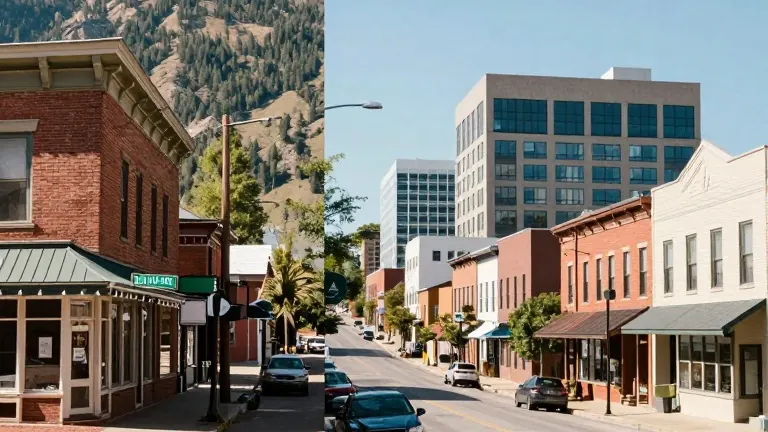
Cumberland, Maryland, is offering $20,000 to up to ten people who agree to make the city their primary residence. The pilot program, named Choose Cumberland, splits the payment into $10,000 in cash and $10,000 toward a down payment or home renovations. Recipients must live in the city for at least five years to keep the funds. The offer targets remote workers who can perform their jobs from any location.
The incentive addresses a long-term demographic shift. The Appalachian community, located about 130 miles from Washington D.C., lost population as manufacturing jobs disappeared beginning in the 1970s. Mayor Ray Morriss noted that the city’s population dropped from over 40,000 to fewer than 19,000. He stated that the goal is to attract people who bring their employment with them rather than seeking local jobs.
Cumberland is part of a wider trend where municipalities compete for mobile workers. The website Make My Move lists more than 100 U.S. locations advertising cash offers to new residents. Tulsa, Oklahoma, runs one of the largest programs under the name Tulsa Remote. That initiative pays $10,000 to remote workers who rent or buy a home in the city. The program started before the pandemic as an experiment to diversify a workforce heavily reliant on the oil and gas sector.
Tulsa Remote has expanded rapidly. Justin Harlan, the program’s managing director, said participation grew from about 70 people in 2019 to more than 3,500. While the program only requires a one-year residency, Harlan reported a 90% retention rate beyond that period. He said 75% of participants who joined since 2019 still live in Tulsa. Staff meet with each newcomer within the first 90 days to help them integrate into the community.
Evan Starr, an associate professor at the University of Maryland’s School of Business, analyzed the Tulsa program to understand its effectiveness. He found the retention rates to be strong, which counters the risk that residents might leave immediately after restrictions expire. Starr argued that remote work has created a new level of geographic mobility because employees are no longer tied to their employer’s physical location. He believes this shift is permanent.
Faith Langevin moved from Atlanta to Tulsa in 2022 for the lower cost of living and the financial incentive. Her husband, also a remote worker, received the same payment. She described the social component of the community as a key factor in her decision. Three years later, she expressed no regrets about the move.
Local businesses in Cumberland also support the influx of new residents. Gino Giatras, whose family has operated a hot dog shop in the city since 1918, said he welcomes the change. He cited the weather, activities, and people as reasons for his optimism about the city’s future.
Source: KPTV
More Business · Unethical Practices · Report a business · Got a Story?