Second fatal high-speed rail crash in Spain kills 68 weeks before election
A RENFE train collided with a stationary IRYO train in Toledo, prompting Prime Minister Pedro Sánchez to declare a three-day national mourning.
By Miguel Navarro ·
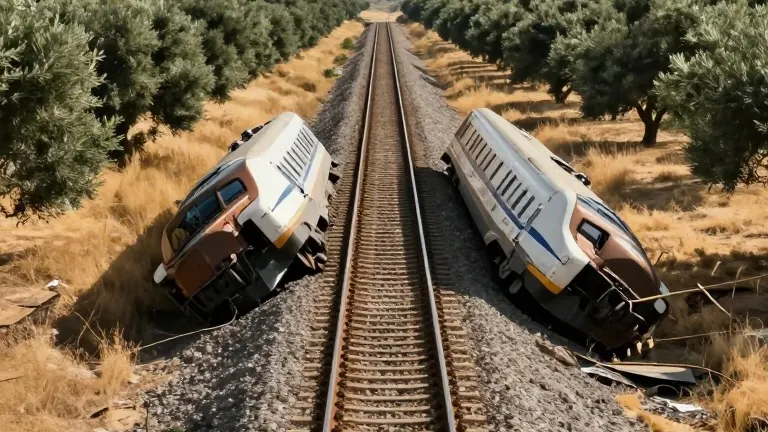
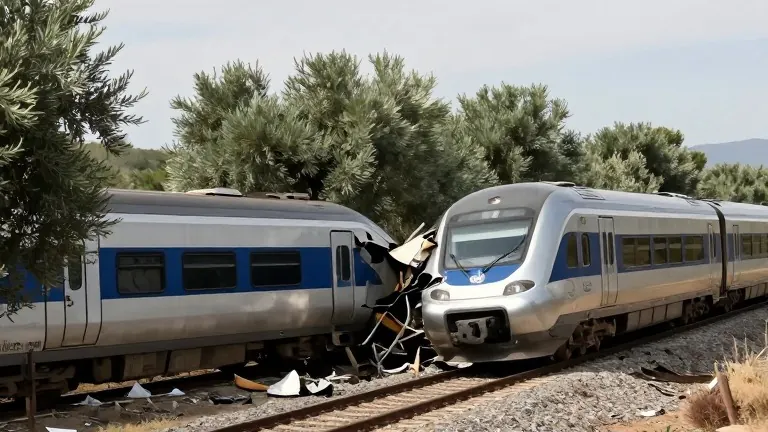
Sixty-eight people died Wednesday when one high-speed train struck another from behind in central Spain, marking the second fatal accident on the country's rail network in 2026.
The collision occurred on a stretch of track near the town of Urda in the province of Toledo. The impact happened at 8:53 a.m., turning a quiet line lined with olive groves into a major emergency site.
Spanish Prime Minister Pedro Sánchez visited the scene after regional authorities confirmed the high death toll. He declared three days of national mourning beginning Thursday. Sánchez pledged a thorough investigation into the cause of the crash and promised measures to restore confidence in the rail system.
The incident follows a January disaster in southern Spain where a train jumped its track and hit another, killing 46 people. Until this year, Spain's high-speed rail network had avoided a deadly crash since it began operating more than 30 years ago. The system ranks second in the world for track length, behind only China, and carried 45 million passengers last year.
Transport Minister Óscar Puente attributed the crash to a failure in the central command system. He explained that a computer malfunction disabled a safety system on a 63-kilometer section of the line at 8:30 a.m., forcing all trains to stop. The IRYO train was halted near Urda, with a RENFE train 25 kilometers behind it.
Puente stated that the central command incorrectly instructed the RENFE train to resume travel without speed restrictions while a stop signal remained active. He described the order as inexplicable and said the train engineers were not at fault. He added that the train should have been told to move at a reduced speed if it was to move at all.
The crash complicates the political landscape ahead of a national election scheduled for four weeks from now. Sánchez's Socialist party had called for early voting earlier this month, hoping to capitalize on voter dissatisfaction with housing costs. Polls already indicated an uphill battle for the government. The disaster adds a new layer of scrutiny for Sánchez and his administration.
Opposition leaders responded with varying degrees of restraint. Alberto Núñez Feijóo, leader of the Popular Party, called for a full investigation and cancelled his campaign events for the day to honor the victims. Santiago Abascal, leader of the far-right Vox party, criticized the government more sharply, calling it a criminal organization and vowing to work until it faced a courtroom. Workers used cranes late Wednesday to remove debris from the damaged trains after hundreds of emergency responders worked through the day.
Source: WFDD Public Radio