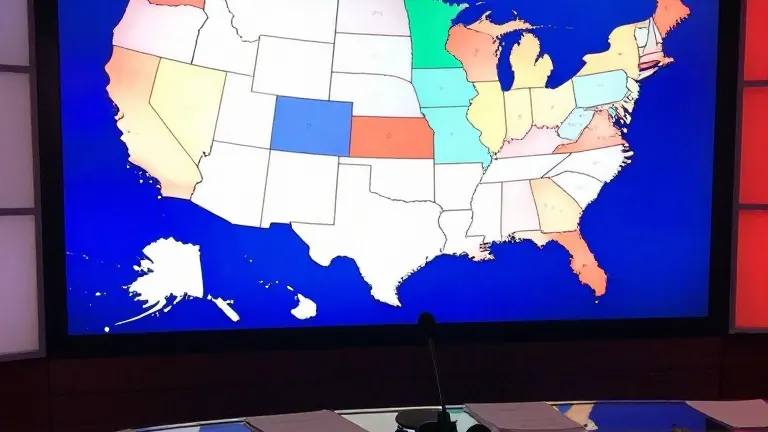
AP and NPR to rely on vote math for 2026 race calls
The Associated Press will determine winners for 435 House seats and 35 Senate races by analyzing outstanding ballots, not waiting for full counts.
By Zara Ahmed ·
The Associated Press will call winners in 435 House races, 35 Senate races, and 36 gubernatorial contests without waiting for every ballot to be counted. This approach relies on a mathematical assessment of remaining votes rather than a full tally.
The AP has used this method to declare election results since 1848. For the 2026 cycle, the organization partners with NPR to disseminate these calls to a national audience. The process involves a dedicated team of analysts and decision editors who review data for every major contest.
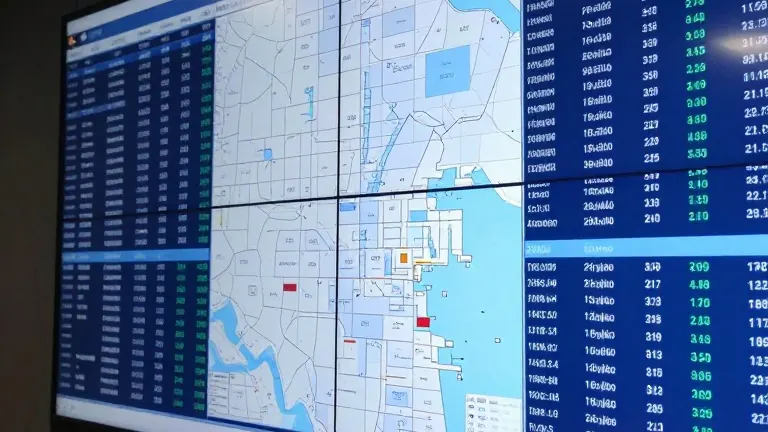
Race callers examine vote totals by county and by ballot type. They distinguish between votes cast in person at polling places and those submitted by mail or advance in-person voting. This granular view allows the team to track the speed of reporting across different jurisdictions.
The team calculates the likelihood of a candidate winning by analyzing the geographic and demographic makeup of areas with outstanding ballots. They assess where the uncounted votes are coming from and how voters in those communities historically choose. This data helps determine if a trailing candidate can still overtake the current leader.
NPR will announce these results on air and online as soon as the AP makes a call. The network uses AP data to populate its election results pages in real time. Member stations also receive this information to update their local coverage.
The AP does not make projections or name apparent winners. A race call is a declaration that one candidate has emerged as the winner and that no other candidate can overtake them once all votes are counted. The organization waits until it has certainty, even if that requires a longer wait.
NPR will not base race calls on a candidate's victory claim or concession speech. The network follows the AP's standard of waiting for a definitive mathematical edge. This practice ensures that the call is based on verified election data rather than political statements.
The AP did not call the 2000 presidential race between George W. Bush and Al Gore because the margin in Florida was too close to determine a winner. That precedent illustrates the organization's reluctance to speculate when the outcome is uncertain.
Source: WLRN · original report published
More Politics · Miami news · Report a business · Got a Story?