Four Corners Floods Force Evacuations
Record rainfall from El Niño swelled rivers in Arizona, Colorado, New Mexico, and Utah, trapping residents and damaging infrastructure as cleanup begins.
By Elizabeth Turner ·
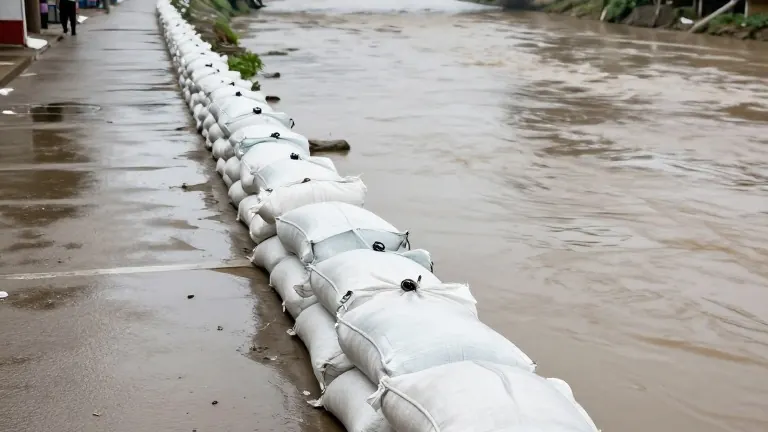
Residents across the U.S. Southwest faced ongoing flood risks as of Monday, even after skies began to clear. The persistent danger follows powerful storms that delivered massive amounts of water to the typically arid region. Hundreds of people evacuated their homes, and swift-water rescue teams remained active in several states. Officials estimated that cleanup and repair efforts would take weeks to complete. One person died in the floodwaters, and police suspect a second death was weather-related.
The flooding stems from a pattern of heavy rain linked to El Niño. The National Weather Service reported that isolated cloudbursts were still possible across the Four Corners region, where New Mexico, Arizona, Colorado, and Utah meet. Former National Oceanic and Atmospheric Administration chief scientist Ryan Maue calculated that more than 20 trillion gallons of rain fell on the Four Corners states and Nevada in the past two weeks. The volume of water overwhelmed drainage systems and raised river levels beyond seasonal norms.
Damage was severe in Pagosa Springs, Colorado, a town of about 2,000. The San Juan River reached 16.81 feet on Sunday, one foot lower than the record level set in 1911. The surge flooded downtown streets before receding on Monday. An entire home was lifted from its foundation and crashed into a pedestrian bridge. A section of a road bridge west of town crumbled under the force of the water. Archuleta County Sheriff’s Office spokesperson Vicki Shaffer said first responders continued searching for stranded individuals. Evacuation orders remained in place for the town.
In Flagstaff, Arizona, record rainfall of 5.15 inches over two days contributed to the city’s wettest November first on record. Meteorologist Jennifer Tate with the NWS Weather Prediction Center noted that the system was broad rather than localized. Police discovered the body of Williams Singavarapu, 73, of New York, in floodwaters near a drainage tunnel. A second man was found dead in a drainage area, with authorities citing weather-related causes pending official determination. In Sedona, heavy rain washed out part of a highway, and floodwaters trapped several people in their homes.
Southwestern Colorado also experienced significant disruptions. Durango police Chief Brice Current stated that authorities were checking on residents who remained in their homes along the Animas River. Willow Bradner, whose Durango home flooded over the weekend, recalled having only 45 minutes to pack a go-bag. Her basement filled with water, and the house was surrounded by more than two feet of mud. About 200 community members helped remove the mud on Monday. In southern Utah, Ryan Benally built dirt berms to protect his parents’ home near Montezuma Creek. He coordinated supply deliveries to shelters, noting that access routes for some remote residents had washed out.
Arizona Governor Katie Hobbs issued a statewide emergency declaration on Monday, expanding previous declarations for Navajo and Coconino counties. The governors of New Mexico and Colorado requested that President Donald Trump declare a major disaster to secure federal funding assistance. In Utah, officials allowed residents of hard-hit San Juan County to vote electronically due to travel difficulties. Colorado and Utah also arranged alternative voting plans for evacuated or stranded residents ahead of Election Day.
Source: WSVN · original report published