Israeli Coalition Talks: Haredi Parties Hold Decisive Leverage
President Isaac Herzog begins consultations on November 4, with religious parties refusing to commit while Gadi Eisenkot prepares to form a government.
By Miguel Navarro ·
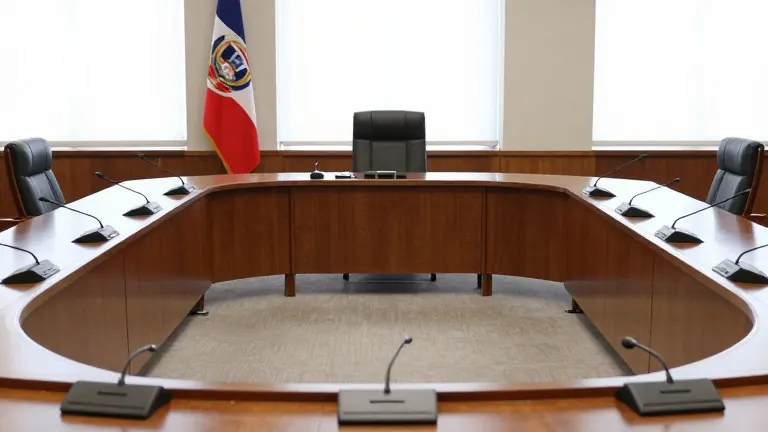
President Isaac Herzog will convene coalition consultations at the President's Residence on Wednesday. The primary variable in these talks is not the major political blocs, but the haredi parties, which are currently withholding recommendations to maximize their bargaining power. Both the center-left and right-wing camps require the support of religious parties to secure a majority, creating a rare dynamic where these smaller groups hold substantial influence over the next government's composition.
Avigdor Liberman, chairman of Yisrael Beytenu, announced on Monday that he would recommend Gadi Eisenkot for the premiership. Liberman stated that he would not serve in a cabinet with Benjamin Netanyahu and ruled out a minority government reliant on Arab party support. This position narrows the available options for Eisenkot, who is expected to be the first candidate given the mandate to form a government. Political sources indicate that Eisenkot may offer generous terms to religious parties, including concessions on the military enlistment of yeshiva students and specific budget allocations.
The haredi parties of Shas and United Torah Judaism are currently avoiding definitive statements. Rabbinical leaders, including Dov Landau and Moshe Hillel Hirsch, are expected to return from abroad around the time consultations begin. Assessments suggest that United Torah Judaism may prefer not to recommend either Netanyahu or Eisenkot immediately. This strategy preserves room for maneuver in subsequent negotiations. One haredi source described the current situation as an exceptional opportunity, noting that it is beneficial for all sides to remain in suspense while each believes an agreement has already been reached with the other.
Liberman's role in any potential coalition remains a source of tension. As a former defense, finance, and foreign minister, he may demand a senior position or a rotation agreement for the premiership. Such a demand could complicate negotiations, particularly with Naftali Bennett, whose party won 12 Knesset seats compared to Liberman's seven. Bennett may oppose a rotation that places Liberman in the top role. This could lead to complex discussions about a three-way rotation involving Eisenkot, Liberman, and Bennett, requiring detailed agreements on the order and length of each leader's term.
Behind the public ambiguity, haredi figures express skepticism about joining an Eisenkot-led government. One well-informed source argued that the chances of the rabbis instructing a move to the left are low. This assessment applies to United Torah Judaism, despite ongoing dialogue with the anti-Netanyahu bloc. For Shas, the issue is more sensitive. Chairman Arye Deri has previously expressed a preference to avoid a repeat of the era when haredi parties participated in Yitzhak Rabin's government during the Oslo Accords. The party continues to emphasize its commitment to the Right.
If the haredi parties decline to join an Eisenkot government, the prospect of a minority administration dependent on Arab party support returns to the center of the debate. However, Liberman has already stated he would not support such an arrangement, even if presented as a temporary measure. Without Yisrael Beytenu or the religious parties, Eisenkot would struggle to assemble a stable majority. If he fails to form a government, the mandate may pass to Netanyahu, who faces the risk of a Knesset vote for an alternate candidate if the 21-day period expires without a resolution.
Sources within the Likud bloc believe Netanyahu might agree to a unity government with Eisenkot if necessary. However, the final decision would rest with Eisenkot, who would need to determine whether serving alongside Netanyahu is preferable to facing another election. As the consultations approach, the haredi parties remain in a strong position to examine proposals from both sides and keep the question of the next governing coalition open.
Source: The Jerusalem Post