Professional Organizer Kacy Paide Suggests Slowing Down to Sort Through Paper Clutter
With a two-decade career in the field, Paide advises homeowners to prioritize immediate tasks and use simple, low-cost systems to manage documents.
By Miguel Navarro ·
Kacy Paide, a professional organizer with more than 20 years of experience, argues that the most effective way to manage paper clutter is to resist the urge to rush. Many people feel overwhelmed by piles of mail and tax documents, often hiding them in closets or garages. Paide contends that this anxiety stems from a belief that one must organize everything at once. She recommends starting with the nearest pile of paperwork instead of tackling the entire house.
The first step involves separating documents into two distinct categories: active and inactive. Active documents require follow-up actions, such as paying a bill or making a phone call. Inactive documents, which include receipts, birth certificates, and sentimental items like old love letters, do not require immediate attention. Paide advises filing these inactive items away or setting them aside for later review. This initial split reduces the volume of work that demands immediate focus.
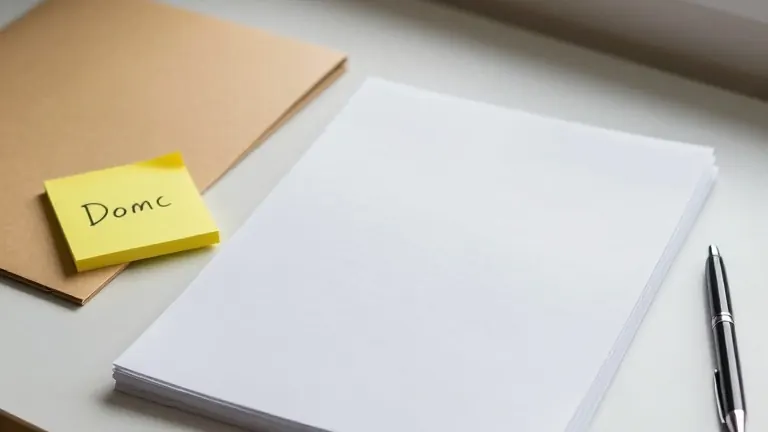
For active paperwork, Paide recommends making due dates highly visible. She uses a permanent marker to write bold, specific deadlines on sticky notes attached to the documents. Rather than using vague labels like 'urgent' or 'due now,' she suggests precise dates, such as 'due by Nov. 15' or 'start no later than 12/1.' This specificity helps identify exactly what needs to be done and when, preventing deadlines from becoming blurred.
Creating a filing system does not require elaborate materials or strict rules. Paide suggests that the best system is the one a person will actually use. She prefers simple file folders labeled with sticky notes, which allows for easy reorganization if preferences change. Important documents, such as passports and marriage certificates, should be placed in brightly colored folders positioned at the front or back of a file box. This placement, which she calls a 'bookend to your filing system,' ensures these items are easy to spot without rifling through other papers.
Paide also advises on what to discard. She recommends asking whether a document is necessary to produce under specific circumstances before keeping it. While some individuals feel compelled to shred every item containing their name and address, Paide notes that this is not always necessary. According to the Federal Trade Commission, documents containing sensitive information like account numbers, birth dates, passwords, PINs, signatures, or Social Security numbers should be destroyed to protect against identity theft. Other items can be let go without shredding.
Sorting through sentimental or difficult paperwork can be emotionally taxing. Paide suggests enlisting a family member or friend to help review items like old letters or divorce papers. During this process, she encourages people to voice their thoughts about the documents. In her experience, individuals reach a conclusion about whether to keep or toss an item quickly once they articulate their feelings about it.
The process does not need to be completed in a single session. Paide recommends dedicating short, manageable periods of time, such as 25 minutes, to the task. She emphasizes that organizing is an ongoing process that requires regular maintenance and adjustment rather than a one-time effort.
Source: WBAA