
Deep brain stimulation restores woodcarving to Phoenix artist
Bill Daggett’s hands are now steady after the procedure, which gerontologist Sam Cradduck describes as a pacemaker for the brain.
By Zara Ahmed ·
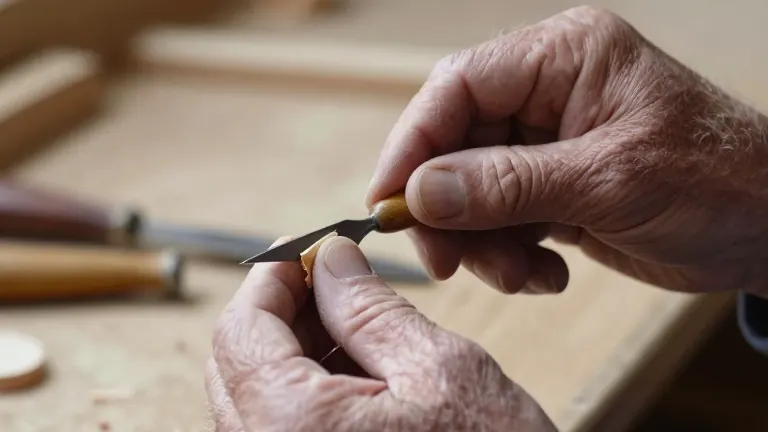
Bill Daggett can carve wood again. The Phoenix artist underwent deep brain stimulation surgery to treat Parkinson’s disease, a procedure that has steadied his hands and allowed him to resume his craft after years of tremors.
The surgery involves sending electrical pulses to specific areas of the brain to control motor symptoms. Daggett’s tremors had progressed to a point where he could barely hold a fork. He described the physical and emotional toll of the condition before the intervention. “I couldn’t even eat, hardly. I was shaking so bad, and I didn’t want to go out anymore. That’s part of the depression. You don’t want to be seen when you can’t hold a fork and get it to your mouth,” he said.
Daggett first learned of his Parkinson’s diagnosis after a doctor observed his shaking at an art show. The physician urged him to seek medical attention. When medication failed to provide sufficient relief, he opted for the surgical treatment. The therapy targets the electrical signals that cause involuntary movements.
Sam Cradduck, a gerontologist who hosts the program “Aging Untold,” explained the mechanism of the procedure. He compared the device to a cardiac pacemaker, noting that it helps the brain reset its rhythm. “What they did was basically give his brain a pacemaker. You know, we’re kind of accustomed to the thought of a pacemaker helping a heart keep rhythm. But this is a new way to go in and help that brain reset and send those electrical pulses out to give the brain the pacemaker to now reduce those tremors, reduce some of the side effects of the disease and the progression of it,” Cradduck said.
Cradduck characterized the surgery as a major improvement for patients who have lived with the disease for extended periods. He emphasized that the treatment addresses more than just physical mobility. It also mitigates the emotional decline associated with losing a core identity, such as that of an artist. “We talk about the physical aspects of disease and aging all the time, but we forget to talk about the emotional loss, and that’s where this guy was at. He was so connected with being the artist and being able to create, and the disease was robbing him of that. We see that it’s robbing him of physical abilities maybe to eat, but we forget that it’s robbing him of a piece of himself,” Cradduck said.
Daggett’s return to woodcarving illustrates the immediate impact of the therapy on his daily function. The steady hands allow him to work with the precision required for his art. The procedure has reduced the visible tremors that previously limited his ability to interact with the public and manage basic tasks. The device continues to send pulses to manage the symptoms of his condition.
Source: KOTA-TV