DIY guides turn Paw Patrol fans into makers
New tutorials offer three low-cost methods to build themed night lights using household items.
By Adam Richardson ·
Parents and educators are turning to craft projects as a way to encourage creativity and focus in children. The trend has found a specific audience in fans of the animated series Paw Patrol, a Canadian production that follows a boy named Ryder and his team of rescue puppies. The show’s popularity has driven a surge in related DIY activities, particularly those involving home decor.
Professionals in the field of education describe these manual arts as effective tools for personal development. They note that such tasks stimulate fine motor skills and patience. Adults are also adopting these projects as a method to disconnect from daily routines and concentrate on a tangible goal.
The latest set of instructions focuses on building a night light. These guides aim to transform the characters from the screen into physical objects for a bedroom. The three proposed designs use common materials that can be found at home or purchased at a craft store.
The first project utilizes a transparent plastic bottle, specifically a 1.5 or 2-liter soda container. The builder cuts the top and bottom off to create a cylindrical body. The interior is lined with white parchment paper or cellophane to diffuse the light. Creators cut shapes from blue or red foam, such as a police badge or a firefighter helmet, and attach them to the front. A black paper silhouette of a puppy is added for shadow play. A small string of battery-operated LED lights is inserted through the base.
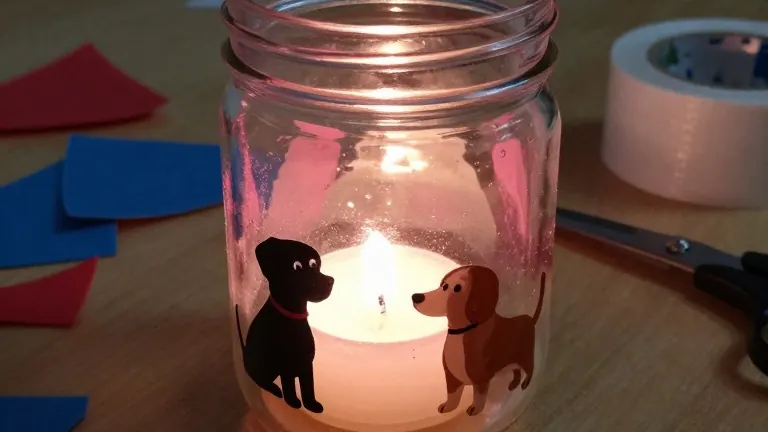
A second option uses a recycled glass jar, such as one previously holding jam or coffee. The exterior is painted with a thin layer of diluted blue or pink acrylic paint using a sponge brush. This creates a translucent effect that allows light to pass through. Silhouettes of characters like Rubble, Zuma, or Rocky are traced onto parchment paper and cut out. These paper shapes are glued to the inside of the jar with diluted school glue. An LED candle is placed inside, and the jar is closed. When the room is dark, the light projects the shapes of the puppies.
The final design features a cardboard cup or a cylindrical chip canister. The base is lined with aluminum foil to reflect light. Users draw small stars and dog paw prints on the bottom and punch holes through the cardboard using an awl or thick needle. Printed images of the patrol members are attached to the sides. A small handheld flashlight is secured inside, pointing toward the base. When turned on, the device projects illuminated stars and paw prints onto the ceiling and walls.
Each project requires basic tools like a cutter, markers, and glue. The materials are chosen for their ability to interact with light. The foam and glass versions produce a soft, steady glow suitable for a nightstand. The cardboard version functions as a projector, casting dynamic shapes across the room. The guides present these activities as a way to share time with children while building a functional object.
The tutorials do not specify a single brand for the LED lights, but recommend battery-operated options for safety. The glass jar method requires careful handling to avoid breakage during the painting process. The plastic bottle method allows for easy cleaning and modification. All three designs rely on the visual appeal of the Paw Patrol characters to engage the user.
The release of these guides coincides with a continued interest in the series. The show remains a fixture in children's media, featuring themes of teamwork and problem solving. The DIY projects extend the viewing experience into the physical space of the home. The instructions are written to be accessible to adults with no prior crafting experience.
Source: XHJK-TDT