
Five ingredients power a 1987 Filipino recipe for Shanghai lumpia
A cookbook from Waipahu offers a simplified method for preparing the fried dish, which is central to Filipino American History Month.
By Miguel Navarro ·
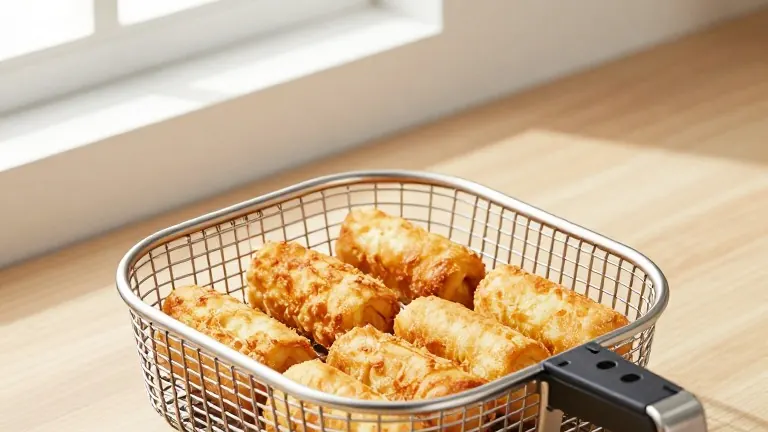
Shanghai lumpia, a staple of Filipino gatherings, requires only five ingredients for its filling according to a recipe preserved in a 1987 publication. The dish traces its origins to Chinese traders who brought egg rolls to the Philippines centuries ago. Over time, local cooks adapted the food to suit regional tastes, resulting in the fried delicacy now common in Hawaii and the mainland United States.
The specific recipe comes from The Second Plantation Village Cookbook, compiled by the Friends of Waipahu Cultural Garden Park. Waipahu on Oahu was historically a sugarcane plantation town that employed laborers from around the world. The cultural park in the town features replicas of plantation structures, including a Chinese cookhouse and an Inari Shrine, which are the only original historic buildings remaining on the site.
The cookbook celebrates the diverse ethnic groups that worked in the area during the plantation era. It organizes recipes into sections for Chinese, Filipino, Hawaiian, Japanese, Korean, Portuguese, and Puerto Rican cuisines. A separate Cosmopolitan section includes dishes that blend multiple cultural influences. The lumpia recipe stands out for its simplicity, avoiding the long lists of ingredients found in other versions of the dish.
The five filling ingredients are easily found at standard grocery stores. Home cooks can purchase pre-made dipping sauces if they prefer not to make their own. The recipe also offers a modern alternative to traditional deep-frying. Users can spritz the rolls with cooking oil and cook them in an air fryer to achieve a similar result with less effort.
The publication serves as a historical record of the multicultural community that built Waipahu. It provides a tangible link between the labor history of the sugarcane fields and the current culinary practices of the region. The inclusion of the lumpia recipe highlights how immigrant traditions evolved and settled into the local diet over generations.
Source: KHPR