
Doctors urge South Floridians to sleep longer as clocks change
The shift to standard time on Nov. 1 offers a chance to reduce heart stress by capturing extra rest.
By Miguel Navarro ·
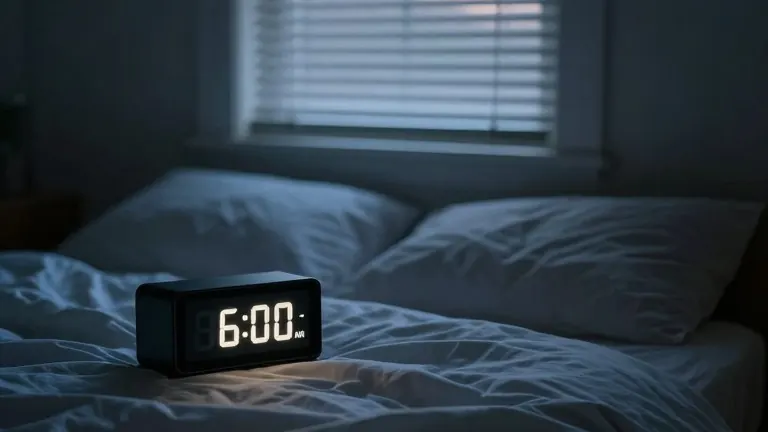
Dr. Mike Varshavski, a family medicine physician, advises residents to use the extra hour on Sunday, Nov. 1, to increase their total sleep duration. As daylight saving time ends, the local calendar shifts back to standard time, giving the day an additional 60 minutes. Varshavski states that this period offers a specific opportunity to catch up on rest for the body.
Research suggests that many people fail to capture this full benefit. Studies indicate that individuals typically utilize only about 60% of the added time, resulting in an average of just 36 minutes of extra sleep. The Harvard Health Letter notes that simply letting the clock fall back does not automatically lead to a sleep gain for most people.
Varshavski explains that adding an hour of sleep can benefit heart health. He notes that some evidence points to a cardioprotective effect from the extra rest. This may happen because increased sleep lowers blood pressure and reduces the activation of the body's fight-or-flight response. These changes help lower overall physiologic stress on the cardiovascular system.
The change in time acts as a disruption to the circadian rhythm, or the internal clock. This adjustment can interfere with established sleep routines for several days. The transition in March, where clocks move forward, is known to cause more health issues. The American Heart Association has linked that spring change to a rise in heart attacks and strokes in the days immediately following.
Experts describe the fall shift as more aligned with natural human rhythms than the spring shift. While the negative health impacts are fewer, the body still requires time to readjust its daily schedule. Varshavski recommends planning ahead to manage this transition smoothly for those living in South Florida.
To prepare, Varshavski suggests shifting bedtime by 10 to 20 minutes in the days leading up to Sunday. He advises focusing on a consistent wake-up time rather than just the time one goes to bed. Maintaining regular exercise, eating nutritious food, and getting morning sunlight exposure also help regulate the internal clock during this period.
The doctor encourages a holistic approach to health during the transition. He says, "Think about health holistically. There are other healthy habits to conquer during this time." The goal is to use the structural change in the week to improve daily wellness metrics.
Source: NBC 6 South Florida · original report published