UK faces £50,000 fines for illegally dumped Halloween pumpkins
Waste experts warn that leaving carved pumpkins in woods or on porches creates legal risks and health hazards for wildlife and residents.
By Miguel Navarro ·
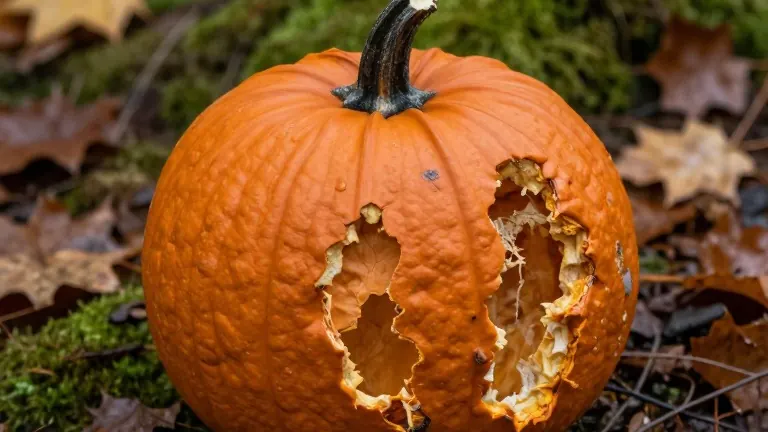
Households across the United Kingdom risk fines of up to £50,000 for illegally discarding leftover Halloween pumpkins, according to waste management guidelines issued after the October 31 holiday. Local councils are actively using CCTV and public reports to identify offenders who abandon festive waste in public spaces. The penalties reflect a recent government crackdown on waste crime, which classifies the improper disposal of pumpkins as fly-tipping.
The warning comes as millions of pumpkins are carved and consumed across the UK each year. While many residents believe leaving old pumpkins in woods or parks provides a seasonal treat for local wildlife, experts describe the practice as an environmental hazard. Dr Sean McCormack, Head Vet at Tails.com, noted that leaving food in natural habitats encourages animals to gather in unusual places, disrupting their normal foraging behavior. He explained that carved pumpkins exposed to rain and insects for days or weeks can become mouldy, introducing foreign elements into the ecosystem.
The financial penalties vary based on where and how the pumpkin is disposed of. Discarding a pumpkin in a public area such as a park or woodland triggers an immediate Fixed Penalty Notice of up to £5,000. If the case proceeds to Magistrates' Court, the fine can escalate to £50,000, potentially accompanied by a 12-month prison sentence. For large-scale or repeat dumping taken to Crown Court, offenders face unlimited fines and up to five years in prison. A rotting pumpkin left on a standard city street can also result in a localised £150 littering fine.
Property owners also face liability for keeping decorations on their premises for too long. Under the Occupiers' Liability Act, residents have a duty of care to visitors. If a neighbour or delivery driver is injured by tripping over a rotting pumpkin on a front path or driveway, the owner may face civil liability and court fines of up to £5,000. In some cases, failing to clear these hazards can invalidate a home insurance policy if a claim is made.
Wildlife trusts and the RSPB have issued alerts regarding the specific dangers pumpkin flesh poses to animals. Hedgehogs, foxes, and other wild animals can suffer from severe stomach upsets and dehydration caused by consuming pumpkin flesh. This condition acts as a severe laxative, leading to life-threatening dehydration during the critical period when hedgehogs must gain weight for winter hibernation. Piles of rotting pumpkin also attract rodents like rats, which spread bacteria that disrupt local woodland and park soils.
Dr McCormack advised that a fresh pumpkin is very different from one that has sat on a doorstep for weeks. He recommended that owners dispose of pumpkins responsibly at home rather than transporting them to woodland areas. The best option is to chop the pumpkin into smaller pieces and place it in a home garden compost bin. If home composting is not an option, residents should use their local council food waste or brown garden recycling bin, following specific local authority rules.
For pumpkins that remain fresh and uncarved, owners can use the flesh for autumn cooking or roast the seeds to leave out for garden birds. Throwing pumpkins into general household waste sends them to landfills, where they decompose without oxygen and release methane, a harmful greenhouse gas. These disposal methods allow residents to clear their decorations while avoiding the legal and environmental risks associated with improper dumping.
The guidance emphasizes that while the intention to feed wildlife is positive, the quantity and condition of the waste often cause more harm than good. Councils continue to monitor public spaces for abandoned festive items, ensuring that the end of the Halloween season does not leave a lasting impact on local infrastructure and ecosystems.
Source: Bristol Post