Miami-Dade voters shape Florida's economic future amid national Democratic wave
With the governor's race and congressional maps in flux, the results will dictate oversight and cost-of-living measures for the state's largest county.
By Dylan Moore ·
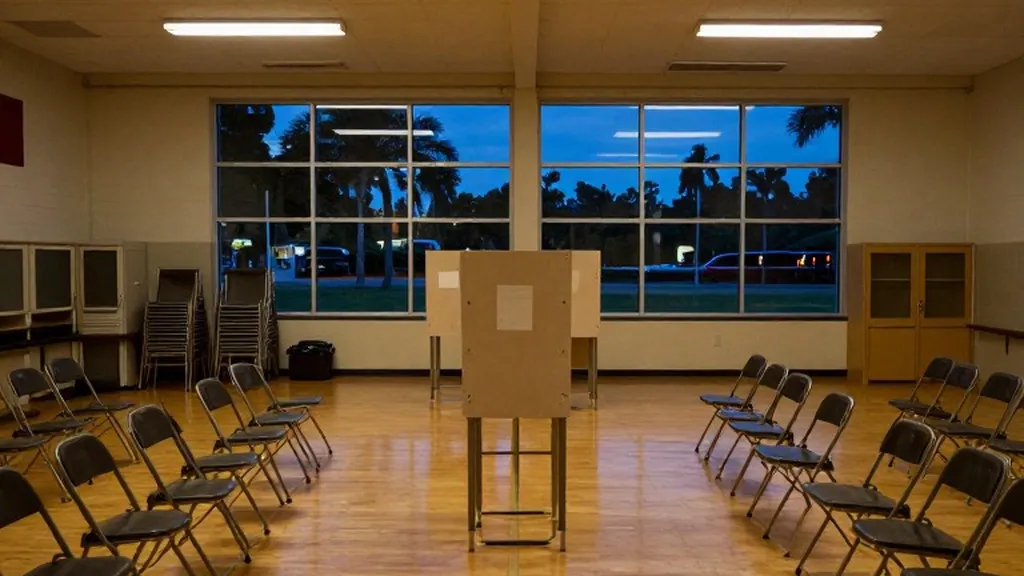
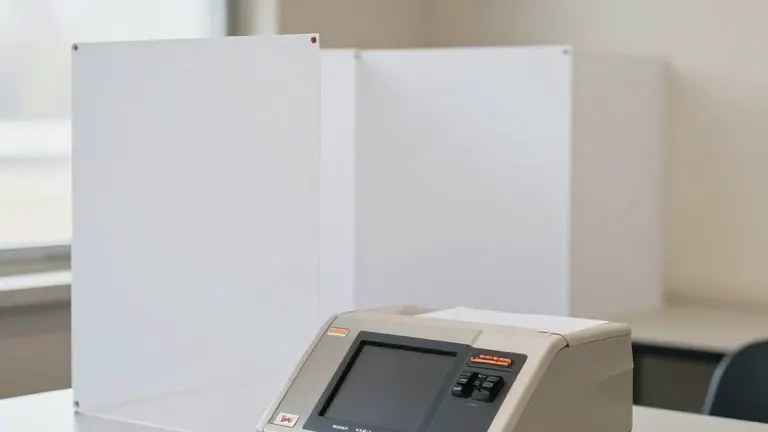
Polls in Miami-Dade County closed at 7 p.m. on Tuesday, Nov. 3, 2026, as voters in cities including Miami, Hialeah, Fort Lauderdale, Pembroke Pines, Hollywood, and Miramar cast ballots in a decisive midterm election. The day served as a referendum on national and state leadership, with residents weighing in on the high cost of living, inflation, and the state's economic direction. Florida is divided between the Eastern and Central time zones, a factor that shaped polling logistics across the state's 67 counties.
In this state's open governor's race, no incumbent was on the ballot, a circumstance that often shifts political power. The race featured candidates from the Democratic, Republican, Libertarian, and No Party Affiliation parties. This contest is critical for Miami-Dade because the governor holds veto power over state legislation that directly affects local taxes, education funding, and infrastructure projects in the region.
Florida voters also decided on three statewide ballot measures. Amendment 1 proposed increasing the amount of funds that may be retained in the budget stabilization fund from 10 percent to 25 percent of net general revenue. Amendment 2 sought to exempt agricultural-related tangible personal property, such as farm equipment or tools, from property taxes. Amendment 3 aimed to increase the homestead tax exemption, decrease the cap on how much the assessed value of non-homestead properties can increase, and limit how municipalities can spend property tax revenue.
According to Ballotpedia, the state's U.S. House seats were all on the ballot, alongside a special election for the U.S. Senate. The special election was to fill the remainder of the term for which Marco Rubio was elected in 2022. The outcome of this race, along with the regular House contests, will determine the balance of power in Washington and the state's influence in federal policy debates.
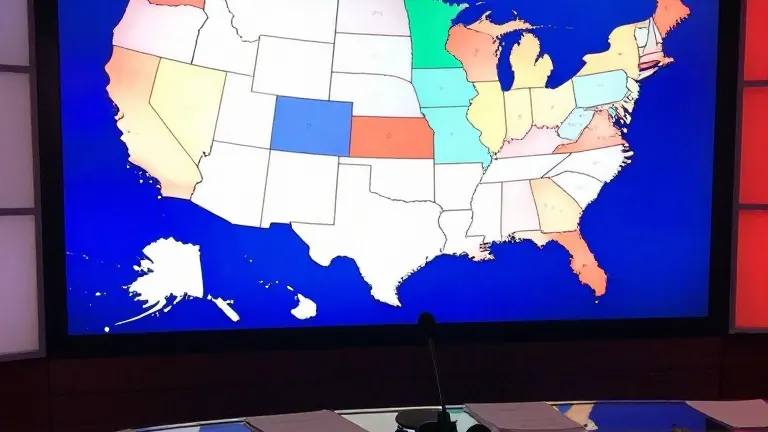
Nationally, the Associated Press reported that Democrats achieved a sweeping victory, taking control of both chambers of Congress. This shift sets up a divided government for the next two years, with Congress poised to reassert itself against the executive branch. The Associated Press noted that Democrats gained a net of seven seats in the Senate and a net of 30 seats in the House, fundamentally reshaping the political landscape in Washington.
For Florida, the national result has significant implications for oversight. With Democrats controlling Congress, the chamber is expected to launch a robust agenda to lower costs for consumers, including gas and groceries. The Associated Press reported that House Democrats are promising a 100-day agenda starting with efforts to reverse cuts to healthcare programs and to hold the executive branch accountable. This increased scrutiny may influence how federal funds are allocated to Florida's growing population.
The economy remains the central focus for voters in Miami-Dade. The Associated Press noted that the party won historic levels of power in statehouses, with Democrats taking full control in at least five states where they previously shared power. This trend allows new leadership to focus on issues such as improving educational opportunities, increasing access to healthcare, and managing the development of data centers, which are a growing concern for local utility rates.
In Florida specifically, the redistricting battle that preceded the election played a role in voter sentiment. The Associated Press reported that Democrats retained seats in Florida despite efforts to tilt the map in favor of Republicans. Rep. Jared Moskowitz won reelection in the 25th Congressional District, stating that voters were concerned about the economy and their ability to afford a good quality of life. His victory signals a continued focus on economic relief for the state's diverse communities.
The results also highlight the importance of state-level policies on everyday life. State governments shape tax rates, school choice, and the use of artificial intelligence in law enforcement. With the new alignment of power, Miami-Dade residents can expect a period where federal and state legislative priorities may align more closely on economic matters, potentially leading to changes in how local governments operate within the state framework.
Looking ahead, the final two years of this presidential term will be marked by a new dynamic in Washington. The Associated Press reported that the incoming Democratic Congress is eager to meet voter demands for change, with a focus on the cost of living and housing affordability. For the residents of Miami, Hialeah, and surrounding towns, the next legislative session will be critical in determining whether these national promises translate into local economic stability.
The election results underscore a shift in voter priorities, with government corruption and the cost of living cited as crucial issues. The Associated Press reported that about two-thirds of voters said the president does not have the right priorities, a sentiment that resonated strongly in Florida's battleground districts. As the new Congress convenes on Jan. 3, 2027, the oversight and economic policies it implements will have a direct impact on the daily lives of Miami-Dade County residents.