
Trump’s Energy Holdings Surge 43% as Iran War Drives Fuel Costs
A committee report links a sharp rise in the president's oil and gas wealth to the ongoing conflict, while gasoline prices hit record highs.
By Elizabeth Turner ·
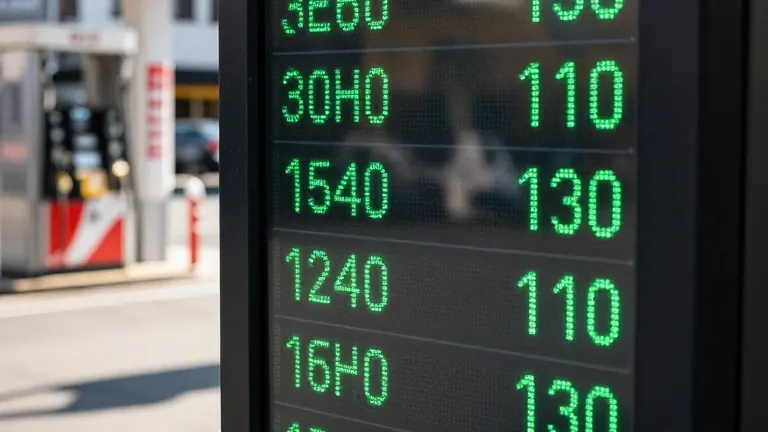
Congressional Democrats are challenging the administration over a sharp increase in President Donald Trump’s energy wealth that coincides with the eight-month war with Iran. A report from the Congressional Joint Economic Committee reveals that the president’s oil and gas investments have grown in value while Americans face some of the highest fuel prices in years. The findings raise questions about potential conflicts of interest between the White House and the energy sector.
Data from LSEG Data Analytics shows that Trump’s energy holdings increased by an average of 43 percent since the end of 2025. The estimated value of these assets rose from a range of $12.6 million to $46 million at the close of 2025. By the time of the latest disclosures, the value had climbed to between $22.5 million and $81.6 million.
The committee members calculated that American families have paid an average of $856 more for gasoline since the conflict began. Gasoline prices in the United States climbed from $2.87 per gallon in February to $4.29 per gallon. Diesel prices rose from $3.68 to $6.28 per gallon over the same period. Brent crude oil prices jumped from below $75 a barrel to more than $115 a barrel.
Trump’s financial disclosures to the Office of Government Ethics show that his investment accounts bought between $4.7 million and $17.5 million in oil and gas stocks between March and the end of August. During that same period, the accounts sold between $2 million and $5.4 million in those assets. Chevron and ExxonMobil represent the largest positions in his portfolio, valued at up to $23.1 million and $18.4 million, respectively.
The stock prices for these two companies have risen substantially since the war started. Chevron shares have gained nearly 25 percent since February 20, while ExxonMobil shares are up 22 percent. On April 7, the day Trump announced a ceasefire with Iran, his investment accounts sold between $500,000 and $1 million in ExxonMobil shares. The following day, ExxonMobil stock dropped more than 6 percent at the market open.
White House spokesman Davis Ingle stated that the president’s financial portfolio is managed independently by third-party institutions using automated models. Ingle said, "Neither President Trump nor any member of his family has any ability to direct, influence, or provide input regarding how the portfolio is invested or when investments are bought or sold." He added that all decisions are made by independent managers, eliminating conflicts of interest.
Sen. Maggie Hassan, a Democrat and the top member of the Joint Economic Committee, argued that the president’s financial interests are now tied to the outcome of the war. She said, "Trump’s Iran War has forced Americans to pay much more at the pump while Big Oil rakes in profits and the president's own stock wealth in the oil and gas industry continues to balloon." Hassan noted that the president continues to trade stocks in companies that benefit from his administration's decisions.
Trump has publicly touted the financial gains of the energy sector while blaming Tehran for high prices. Speaking in Georgia on Saturday, he claimed American oil and gas companies were making hundreds of billions of dollars from the conflict. He predicted fuel prices would fall sharply once the war ended. The previous week, he accused Iran on Truth Social of deliberately driving up oil prices ahead of the November 3 midterm elections.
The S&P 500 energy sector has gained more than 50 percent this year, compared with an 11 percent rise in the broader index. Trump’s overall wealth was estimated at approximately $7 billion by Forbes in September. US Ambassador to the UN Mike Waltz told the Financial Times that the conflict could last another year, though he hopes Iranian leaders will come to the table before then.
Source: The Jerusalem Post