UK charity shops face steep losses as online rivals surge
Oxfam retail profits dropped 23% last year while total secondhand clothing spending quadrupled over the past decade.
By Dylan Moore ·
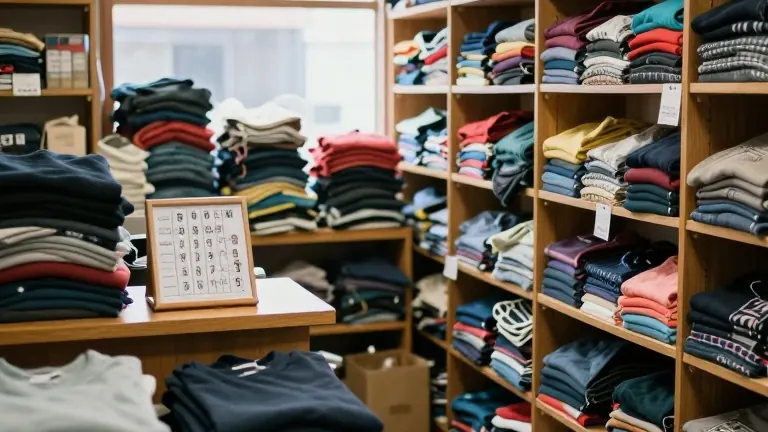
Oxfam’s retail profit fell by 23% in the last financial year, dropping to £4.9m from £6.4m the previous year. The decline marks a sharp turn for one of the United Kingdom’s most recognizable charitable organizations, which has long relied on high street stores to fund its global poverty programs. Unpublished accounts reviewed by the Financial Times show that for every £100 customers now spend in Oxfam shops, only £6 goes toward the charity's core work. In 2022, that figure was £22.
The British Heart Foundation faces even steeper cuts. The charity, which holds the largest high street presence of any UK charity, posted a loss in the most recent financial year. Its retail profits plunged from £18.8m in 2024 to £3.6m in the year ending March 2025. In June, the organization completed a major review of its retail arm, which employs nearly 3,700 staff. It has announced plans to close 90 stores by the end of March 2027 and an additional 60 by March 2028. Cancer Research UK and Scope are also closing some of their locations.
These financial struggles occur despite a massive increase in consumer spending on secondhand clothing. According to GlobalData, annual spending on used clothes in the UK has quadrupled over the past decade to reach £8.8bn. The growth is largely driven by online platforms such as Vinted and Depop. These sites allow individuals to sell clothes directly to other buyers, often for a profit, rather than donating the items to charity shops.
Lorna Fallon, head of Oxfam’s retail operation, told the Financial Times that the sector is facing a painful period. She noted that the shift in consumer behavior is challenging for traditional models. Oxfam has no plans to reduce its number of shops, citing its focus on books and music as a differentiator from clothing-only platforms.
Tansy Hoskins, author of Charity Shop World, described the current state of donations to the Guardian earlier this month. She said the sector is dealing with avalanches of poor-quality clothes as people use charity shops as convenient dumping grounds for unwanted purchases. She stated, “Quality is the big change marker, it’s gone through the floor. You’re just fighting against the waste.”
Robin Osterley, chief executive of the Charity Retail Association, acknowledged that fast fashion has impacted donation quality. However, he argued that online platforms are not the primary issue. He said the platforms have normalized secondhand shopping, which benefits the whole sector. He also noted that many people buy items from charity shops to resell on these online sites, providing a significant income stream for the charities.
Osterley pointed to the November 2024 budget as a more substantial factor in the sector's difficulties. Increases in national insurance and a lowered threshold for these contributions have raised costs for charities, which rely heavily on part-time staff. Inflationary pressures across the economy have compounded these financial burdens.
Richard Hawkes, chief executive of Oxfam GB, said the sector must rethink the traditional retail model. He noted that while shops provide income, they also offer a community presence and employ more than 20,000 volunteers. He added that the growth of secondhand shopping presents real opportunities for the sector to adapt.
Chinese companies are also selling more new clothes in developing countries, particularly in Africa. This shift reduces the demand for unwanted secondhand clothing that was previously exported from the UK. The combination of online competition, higher operating costs, and international market changes has forced major charities to restructure their retail strategies.
Source: The Guardian
More Business · Unethical Practices · Report a business · Got a Story?