Florida's open governor's race joins nine battlegrounds in 2026 midterms
Voters in Miami-Dade choose between parties in a state race with no incumbent, while a nationwide split in 36 governorships shapes the midterm outlook.
By Adam Richardson ·
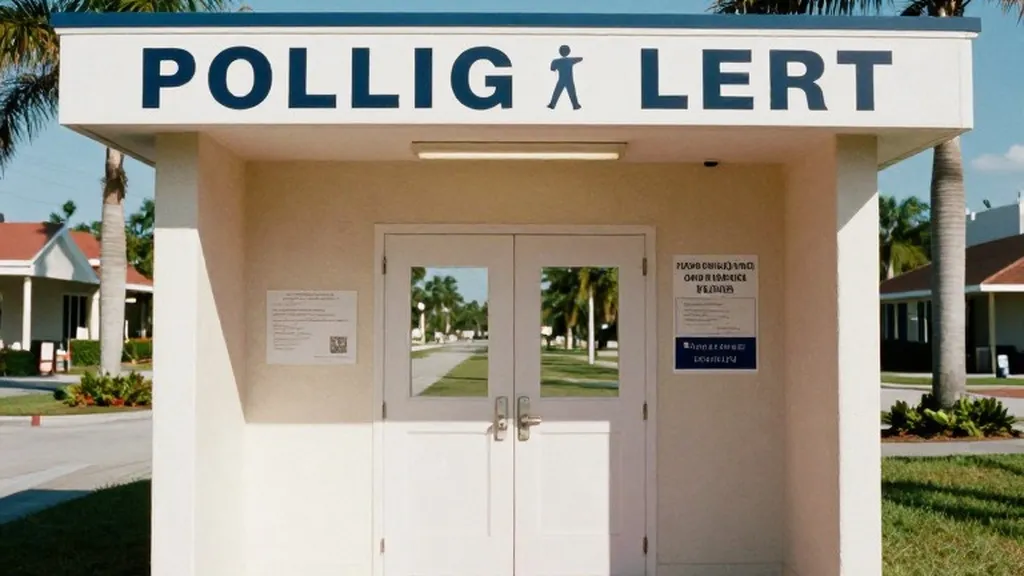
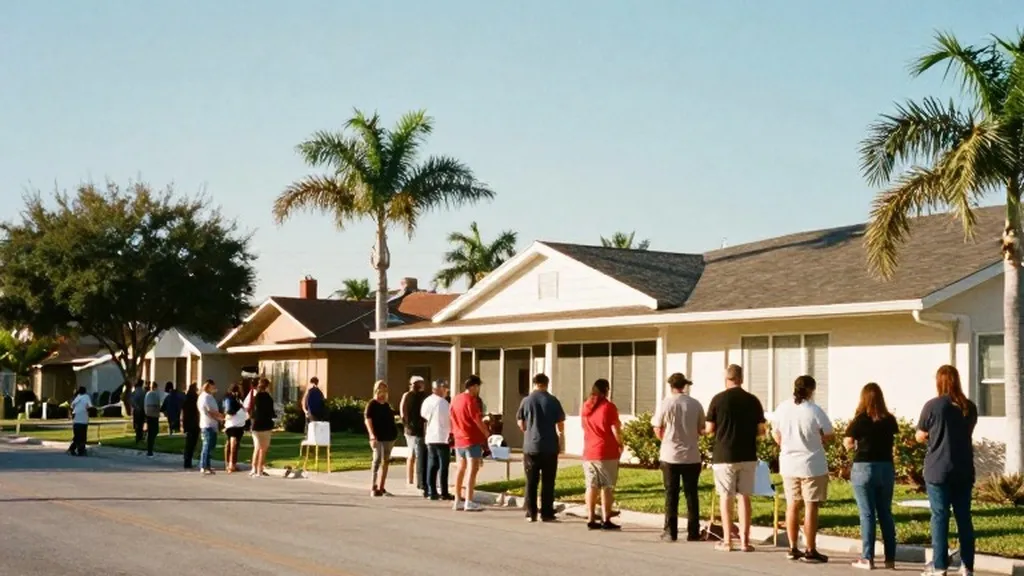
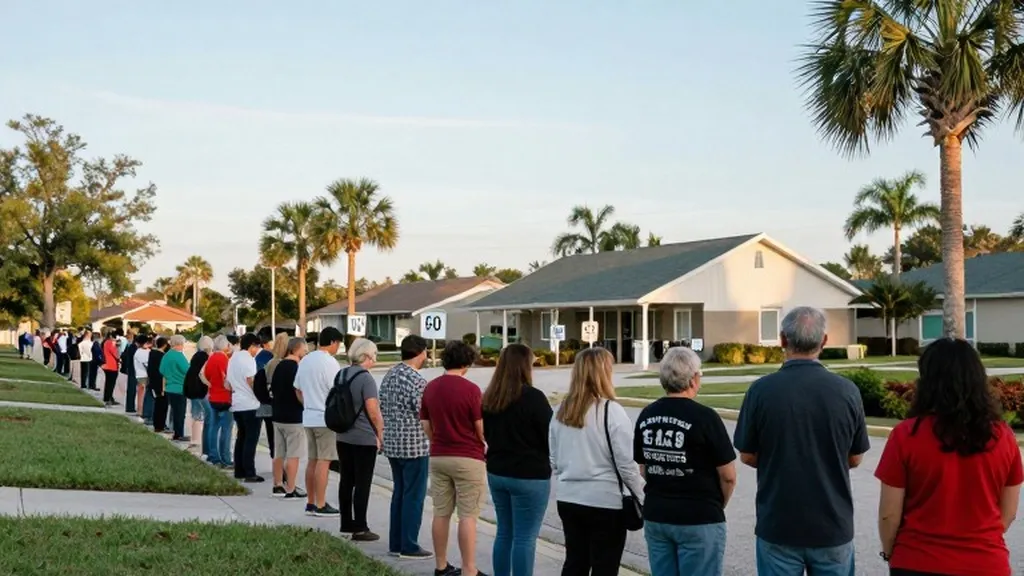
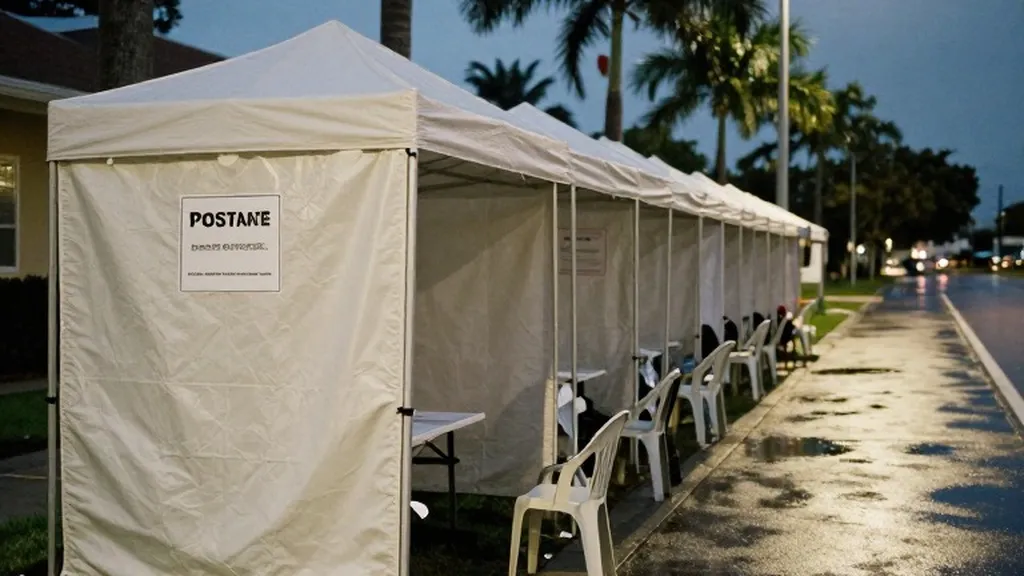
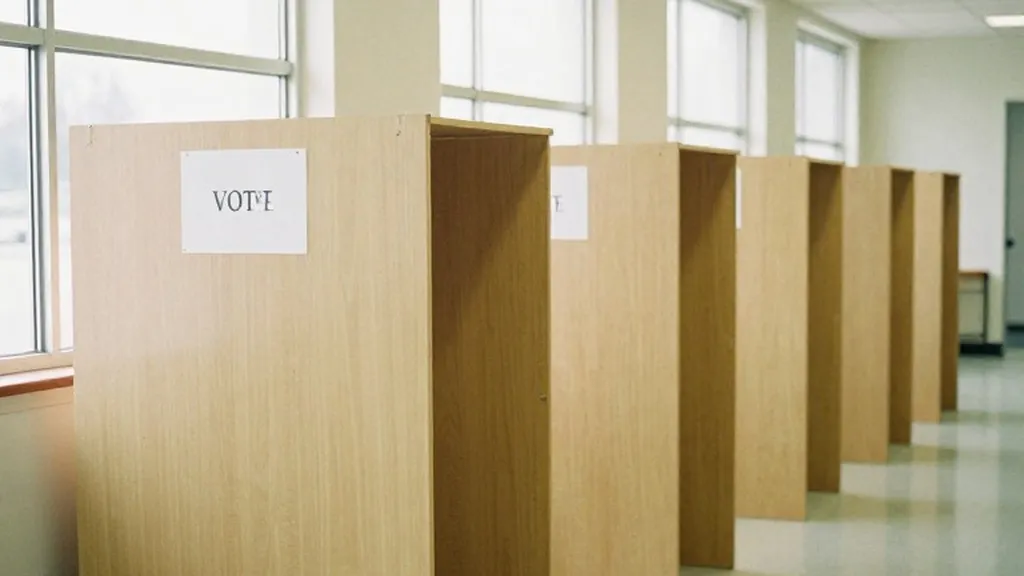
Voters across Miami-Dade County are heading to the polls on Tuesday, November 3, 2026, with Florida’s polls open from 7 a.m. to 7 p.m. Eastern Time. According to Ballotpedia, the state is divided between the Eastern and Central time zones, so residents in the western parts of the county should verify their specific polling hours at vote.gov. The ballot includes a race for governor, which is an open seat because no incumbent is running. Parties on the ballot for the governor's office include the Democratic, Libertarian, No Party Affiliation, and Republican parties. This local contest is part of a broader statewide election that also features contests for every U.S. House seat in Florida.
The governor's race in Florida is one of 19 open seats among the 36 governorships on the ballot nationwide. Ballotpedia reports that 15 governors are term-limited, while Iowa’s Kim Reynolds, Minnesota’s Tim Walz, and Wisconsin’s Tony Evers chose not to run. Rhode Island’s Daniel McKee is also not on the general ballot after losing his primary. In the 18 races where an incumbent is running, the current split is 18 to 18, with Republicans and Democrats each holding half of the contested offices. This structure creates a complex landscape where party control of the governorships could shift significantly based on the results of these specific contests.
Nationally, the midterms are described by the Associated Press as a referendum on President Donald Trump’s second term. The AP notes that voters are struggling with high prices and are angry over an unpopular war with Iran. AP-NORC polling indicates that 35% of U.S. adults approve of the president’s job performance, while only 25% approve of his handling of the economy. Approximately seven in ten Americans say the country is heading in the wrong direction, with most blaming the president for high prices. This mood is driving voter behavior in both the House and Senate races, where control of Congress is the primary focus for many voters.
Nine states are identified as battlegrounds for governor, including Alaska, Arizona, Georgia, Iowa, Kansas, Michigan, Nevada, Ohio, and Wisconsin. In Georgia, Republican health care executive Rick Jackson is running against Democratic former Atlanta Mayor Keisha Lance Bottoms to succeed Brian Kemp. In Nevada, Republican Governor Joe Lombardo faces Democratic Attorney General Aaron Ford. The Associated Press also highlights Ohio, where Republican Vivek Ramaswamy is competing against Democrat Amy Acton. Ramaswamy’s campaign has faced backlash over an advertisement featuring Acton’s estranged mother. These races are critical because Democrats would need a net gain of two governorships to achieve a nationwide majority, a position Republicans have held since 2010.
Florida is considered a competitive governor race by the Associated Press, along with Texas and Iowa. The AP notes that Democrats are hoping to hold a majority of governorships for the first time in two decades. This ambition is complicated by the fact that Republicans currently hold 26 governor’s offices and Democrats hold 24. Of the offices on the ballot, each party holds 18. The outcome in Florida will be a key indicator of whether the Democratic Party can make inroads in states where President Trump won in 2024. The state’s new congressional maps, resulting from mid-decade redistricting, also play a role in the overall political dynamics of the election.
In the U.S. Senate, 35 of 100 seats are up for election, including 33 regular elections and two special elections. Republicans hold 53 seats and Democrats hold 45, plus two independents who caucus with Democrats. Democrats need a net gain of four seats to secure a majority, while Republicans can afford to lose only two. Eleven senators are not running again, including four Democrats and seven Republicans. The Associated Press and PBS NewsHour have identified several key matchups, such as the race in North Carolina between Democratic former Governor Roy Cooper and former Republican National Committee chair Michael Whatley. In Texas, Republican Attorney General Ken Paxton is running against Democrat James Talarico, with Trump backing Paxton over Senator John Cornyn in the primary.
The election is expected to be the most expensive in history, with Republican committees outspending Democratic ones at the committee level. This spending was helped by Trump-affiliated groups and Elon Musk, although Democrats outraised their opponents at the candidate level. The Associated Press analyzed AdImpact data and found that 88.1% of Republican general election TV ad spending went to states and districts that Trump won in 2024. This includes more than $850 million spent in areas where he won by 10 points or more. The heavy spending reflects the high stakes involved in determining who controls Congress for the final two years of the current presidential term.
Voter turnout is a major concern for both parties. RNC Chairman Joe Gruters stated, "Everything depends on turnout. If we turn out our voters, we win, and that's what we've been planning for." DCCC Chair Representative Suzan DelBene countered, "The American people are angry. They want change." More than 57 million people had already voted as of Monday, surpassing the early vote of four years ago in many closely watched states. The U.S. Postal Service added hours, staff, and special lines to ensure mail ballots are counted on time. A federal judge temporarily barred the Trump administration from carrying out a plan to prevent noncitizen voting, which critics said risked disenfranchising eligible voters.