Miami-Dade voters decide House races as national margin narrows
With polls open in Florida, Miami-Dade residents cast ballots in a midterms where a three-seat margin determines House control and new maps reshape the landscape.
By Zara Ahmed ·
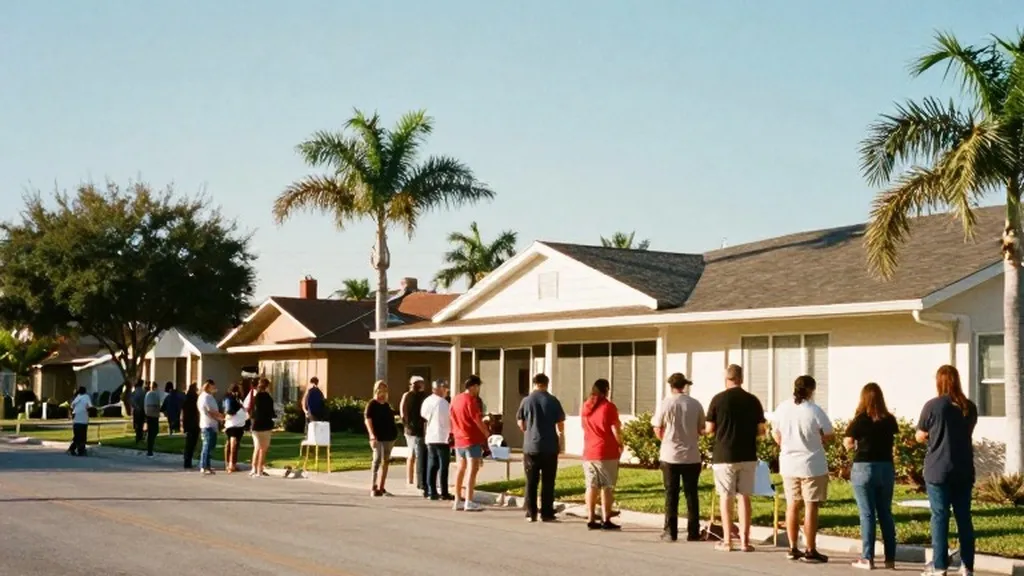
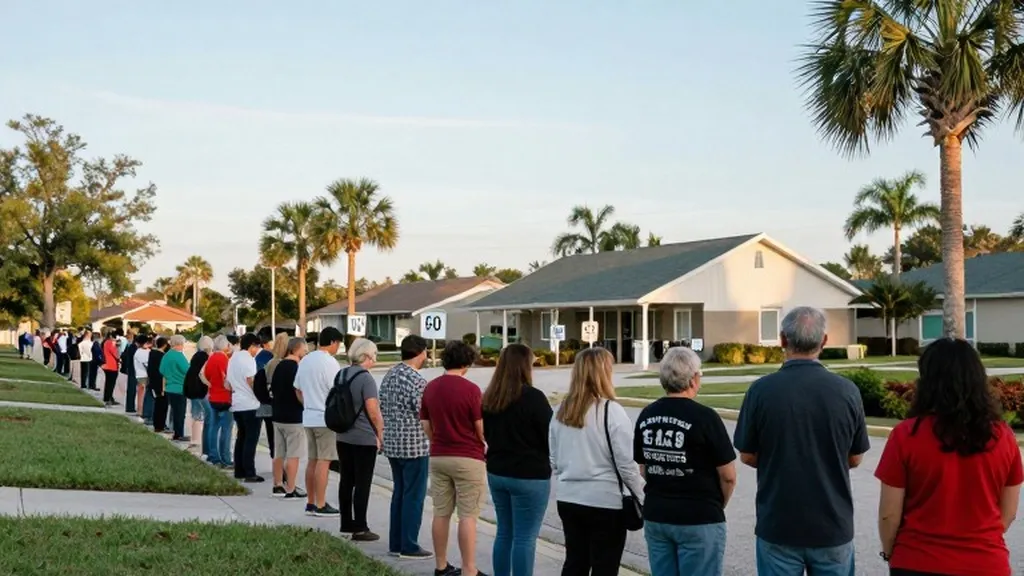
Polling places in Miami-Dade County opened at 7 a.m. Tuesday, marking the start of the 2026 midterm elections. Residents in Miami, Hialeah, Fort Lauderdale, Pembroke Pines, Hollywood, and Miramar are voting in a race that will determine which party controls the U.S. House of Representatives. According to Ballotpedia, all 435 House seats are up for election, with the current split standing at 218 seats for Republicans and 214 for Democrats, plus one independent. The margin of three seats creates a tight race where Democrats need a net gain of three districts to secure a majority, while Republicans can afford to lose no more than two.
In Florida, the general election runs from 7 a.m. to 7 p.m., with the state divided between Eastern and Central time zones. Voters in the county are casting ballots for every U.S. House seat in the state, along with state and local offices. The Associated Press describes this election as a referendum on President Donald Trump's second term, noting that voters are struggling with high prices. AP-NORC polling indicates that 35 percent of U.S. adults approve of Trump's job performance, while about seven in 10 believe the country is heading in the wrong direction. This national mood influences how local voters in Dade County approach their ballots.
The national House race is particularly contentious because of 46 battleground districts identified by Ballotpedia. These districts include 25 currently held by Democrats and 21 held by Republicans. The Associated Press reports that Republicans are bracing for potential losses in the House while Democrats remain cautiously optimistic. The outcome in these competitive districts will likely decide the balance of power in the lower chamber, which could trigger investigations and oversight proceedings if Democrats gain control.
Redistricting adds another layer of complexity to the 2026 elections. Six states, including Florida, are using new congressional maps following mid-decade redistricting. The other states with new maps are California, Missouri, North Carolina, Tennessee, and Texas, with Ohio also utilizing a new map. The Associated Press notes that while Republicans attempted to use redistricting to beat the historical pattern of midterm losses, new districts in Florida and elsewhere may not vote as originally drawn. This uncertainty is a key factor in the 46 battleground districts that could swing the House majority.
Florida voters are also deciding on the state's governorship, an open seat with no incumbent running. The ballot includes candidates from the Democratic, Libertarian, No Party Affiliation, and Republican parties. The Associated Press calls the Florida governor's race competitive, along with races in Texas and Iowa. Additionally, Florida voters are facing a special U.S. Senate election to fill the remainder of the term held by former Senator Marco Rubio. Republican incumbent Ashley B. Moody is on the ballot for this special election, competing against Democratic and No Party Affiliation candidates as noted by Ballotpedia.
More than 57 million people had already voted by Monday, surpassing the early vote totals from four years ago in many closely watched states. The U.S. Postal Service added staff and special lines to ensure mail ballots are counted on time. In Florida, where a significant portion of the population votes by mail, these logistical efforts are crucial. A federal judge temporarily barred the Trump administration from implementing a plan to prevent noncitizen voting, a move that critics said could risk disenfranchising eligible voters. This legal development has drawn attention to election administration nationwide, including in Miami-Dade County.
The financial scale of the 2026 elections is expected to be the highest in history. The Associated Press reports that Republican committees have outraised and outspent Democratic committees, aided by Trump-affiliated groups and Elon Musk. However, at the candidate level, Democrats have outraised their opponents. Analysis of AdImpact data by the AP shows that 88.1 percent of Republican general election TV ad spending went to states and districts where Trump won in 2024. This spending strategy reflects the importance of holding ground in areas where the president has strong support, a dynamic that is visible in Florida's competitive districts.
Voters in Miami-Dade are also weighing local and state ballot measures. Ballotpedia lists three statewide amendments on the Florida ballot, including changes to the budget stabilization fund, tax exemptions for agricultural property, and adjustments to homestead tax exemptions. These measures allow voters to directly influence state fiscal policy and local government spending. The outcome of these votes, combined with the choice of governor and House representatives, will shape the political landscape in Florida for the next two years.
The stakes of this election extend beyond the immediate control of Congress. The Associated Press notes that a strong Democratic performance would boost potential 2028 candidates and could complicate the path for Vice President JD Vance. House Democratic Leader Hakeem Jeffries has outlined a 100-day agenda focused on the cost of living and oversight if his party takes the majority. For Republicans, holding the Senate is a primary goal, with Democrats needing a net gain of four seats to take control of the upper chamber. The interplay between the House and Senate races creates a high-pressure environment for candidates across the country.
As polls close at 7 p.m. in Florida, the focus shifts to the count. The Associated Press states that one or two seats could tip either chamber, making the final tally in battleground districts critical. In Miami-Dade, the results will contribute to the national total that determines whether the House majority changes hands. The election administration has been closely watched, with the U.S. Postal Service and federal courts playing key roles in ensuring the process runs smoothly. The outcome will be determined by the votes cast in districts like those in Hialeah and Pembroke Pines, which are part of the broader national map.