Florida voters weigh record spending in $850M ad blitz
Miami-Dade residents cast ballots Tuesday amid the most expensive election in history, marked by a significant Republican spending edge and high national stakes.
By Miguel Navarro ·
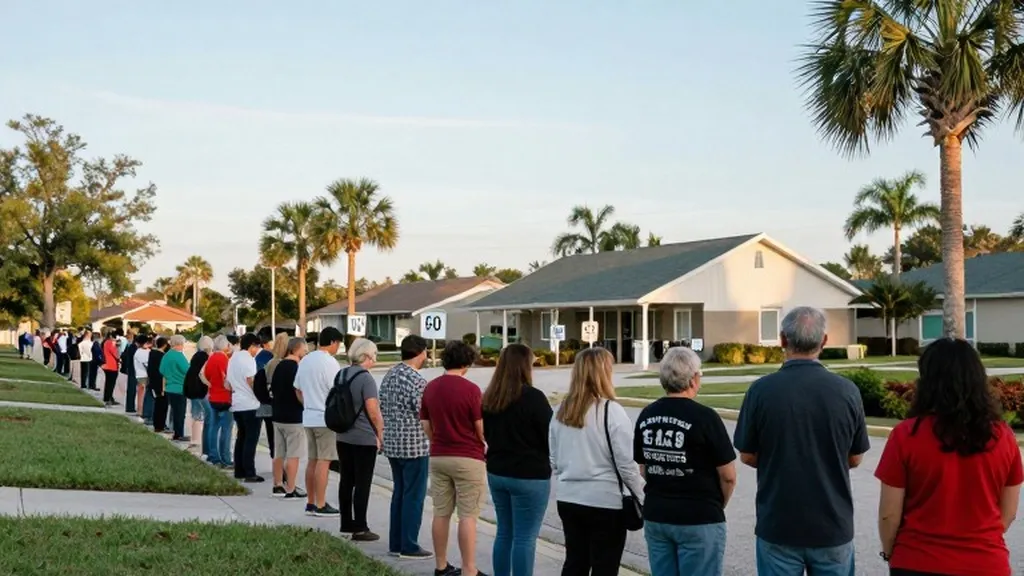
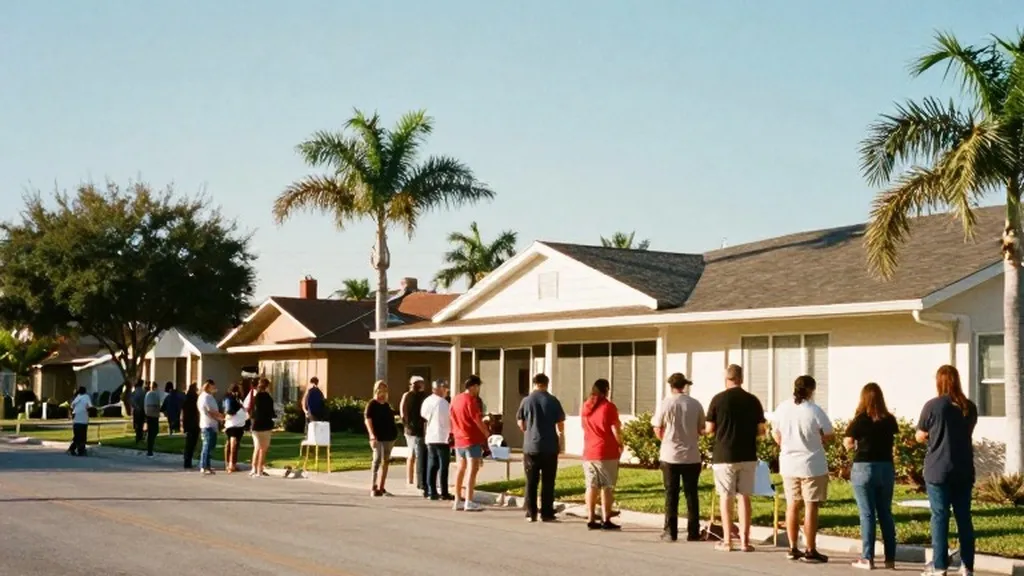
Polls opened at 7 a.m. in Miami-Dade County, with lines forming in Hialeah, Fort Lauderdale, and Pembroke Pines as voters prepared to decide the state's direction. Florida is divided between the Eastern and Central time zones, so voting continues until 7 p.m. in both zones. Residents in towns like Hollywood and Miramar are heading to the polls to vote in a competitive governor's race and for every U.S. House seat in the state. The Associated Press notes that the election is being viewed as a referendum on President Donald Trump's second term, with many voters citing high prices and an unpopular war with Iran as primary concerns.
The 2026 midterm election is shaping up to be the most expensive in American history. According to an analysis by the Associated Press of AdImpact data, Republican committees have outraised and outspent Democratic committees significantly. This financial advantage is attributed in part to support from Trump-affiliated groups and Elon Musk. However, the funding dynamic is complex, as Democrats have maintained a candidate-level edge in raising funds against their opponents. This disparity highlights a strategic divergence in how the two parties are allocating their resources for this critical vote.
A striking portion of the Republican spending has been concentrated in areas already solid in the party's support. The Associated Press reports that 88.1 percent of Republican general election TV ad spending went to states and districts that Trump won in 2024. Within this category, more than $850 million was spent in regions where he won by ten points or more. This strategy suggests a focus on reinforcing existing support and ensuring high turnout among base voters, a tactic that aligns with the comments of RNC Chairman Joe Gruters, who stated that everything depends on turnout.
In Florida, voters are weighing these national financial trends against local stakes. The state has an open seat for governor, with no incumbent running for a second term. The race is considered competitive, and the Associated Press has identified Florida as one of three key governor races alongside Texas and Iowa. Additionally, a special election for the U.S. Senate is on the ballot, with incumbent Ashley B. Moody seeking to retain the seat. The outcome of these races will influence the balance of power in the state government and the U.S. Senate, where Democrats need a net gain of four seats to achieve a majority.
The financial arms race is not just about total dollars but also about where the money is deployed. While Republicans poured billions into safe Republican districts, Democrats are focusing their efforts on battlegrounds. This approach reflects the different strategic goals of each party as they fight for control of Congress. The Associated Press notes that Republicans are bracing for the possibility of losing the House, while Democrats are cautiously optimistic about their chances. The high cost of the campaign underscores the intensity of the contest for the presidency's party to avoid the typical midterm losses.
For voters in Miami, Hialeah, and other parts of the county, the issues are personal. Mark Barker of Palm Beach Gardens told the Associated Press that he has been following Trump closely and believes he is doing an awesome job. In contrast, James Moore, a librarian in Raleigh, North Carolina, expressed frustration over rising costs, stating that he is paying more for taxes, healthcare, and everything else. These sentiments are echoed across the country, with AP-NORC polling showing that 35 percent of U.S. adults approve of Trump's job performance, while about seven in ten say the country is heading in the wrong direction.
The election also carries significant implications for future political leadership. If Democrats win even one chamber of Congress, investigations and possible impeachment proceedings become likely. House Democratic Leader Hakeem Jeffries has outlined a 100-day agenda focused on the cost of living and oversight. A strong Democratic performance could also boost potential 2028 candidates such as Gavin Newsom, JB Pritzker, and Pete Buttigieg. Conversely, a Republican victory would solidify the party's hold on the White House and potentially complicate the path for Vice President JD Vance.
As polls close at 7 p.m., the U.S. Postal Service has added hours and staff to ensure that mail ballots are counted on time. A federal judge temporarily barred the Trump administration from carrying out a plan to prevent noncitizen voting, a move that critics say risks disenfranchising eligible voters. The Justice Department has also threatened to prosecute local election officials, adding a layer of tension to the election administration. These developments have raised concerns among voters and officials about the integrity and smooth operation of the voting process.
The high spending and strategic focus on turnout reflect the high stakes of the 2026 midterms. With more than 57 million people having already voted, the election is poised to see record participation. The Associated Press notes that one or two seats could tip the balance in either chamber of Congress. For Florida voters, the outcome will determine the state's influence in the new Congress and the direction of state policy under the next governor. The financial investment by both parties underscores the belief that this election will set the stage for the next two years of the Trump administration.
The day ends with the counting of ballots, but the implications will last for two years. The $850 million spent in safe Republican districts and the 88.1 percent concentration of ad spending in Trump-winning areas illustrate a party confident in its base. Meanwhile, the Democratic candidate-level fundraising edge shows a party focused on competitive races. As Miami-Dade County tallies its votes, the national picture emerges from the aggregate of these local contests, each contributing to the final control of Congress.