Florida voters weigh national stakes amid contested governor races nationwide
As polls open in Miami-Dade, voters face a choice between local measures and a national referendum on President Trump's second term in key governor races.
By Dylan Moore ·
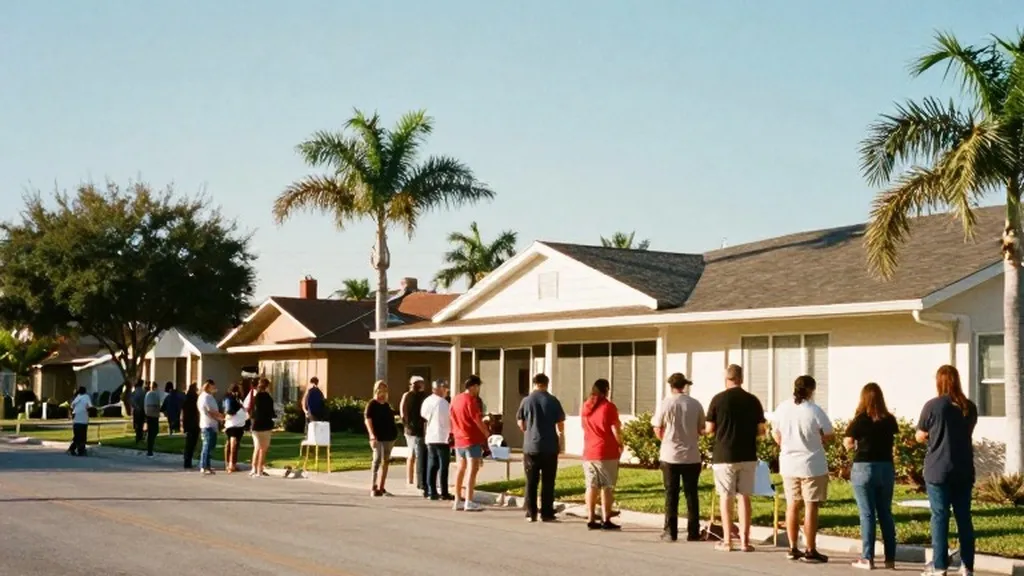
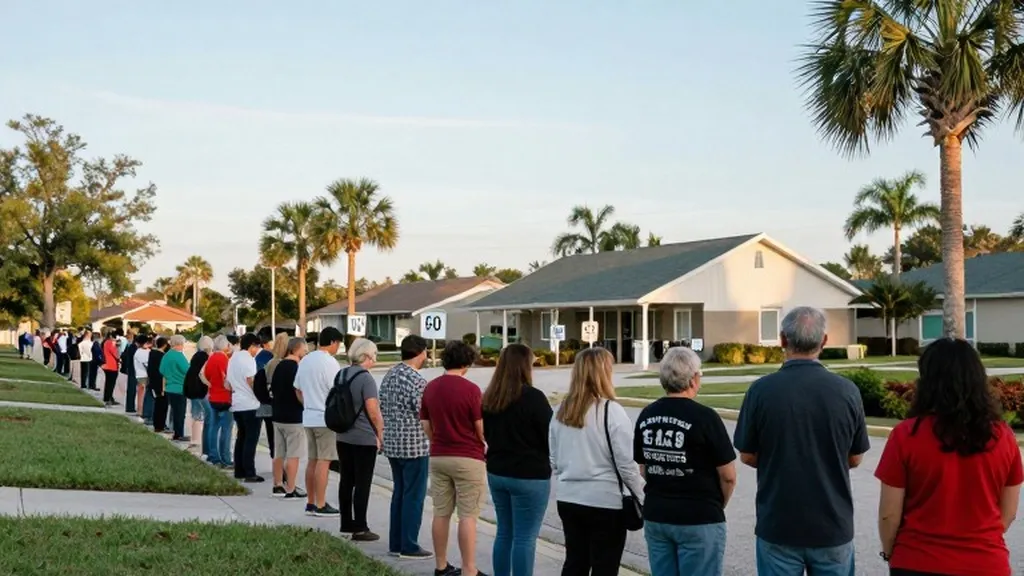
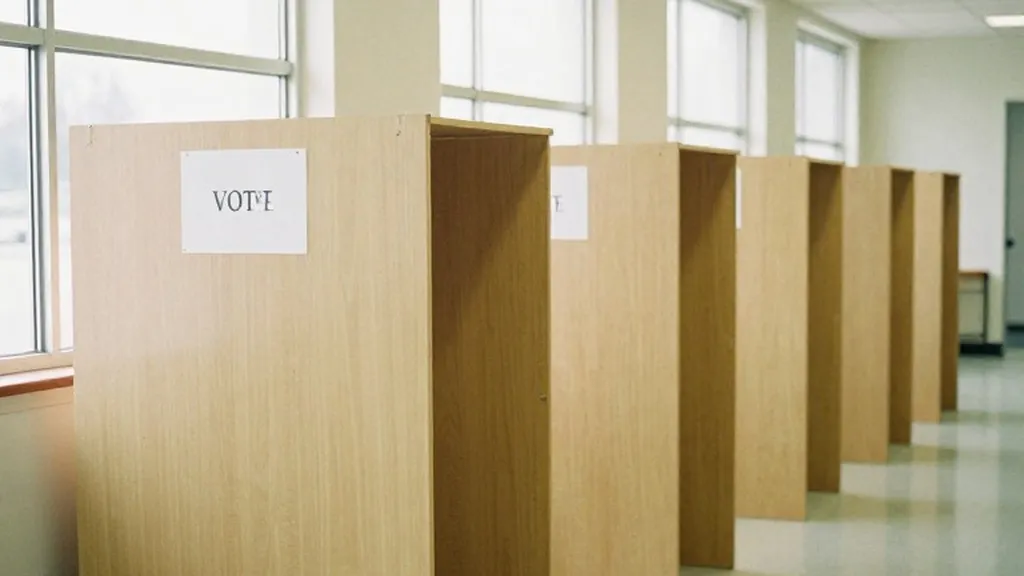
Polls in Miami-Dade County open at 7 a.m. for the 2026 midterm elections, with voting concluding at 7 p.m. in the Eastern Time Zone portions of the county. Residents in areas observing Central Time will see polls close an hour earlier, according to Ballotpedia. Voters in Miami, Hialeah, Fort Lauderdale, Pembroke Pines, Hollywood, and Miramar are heading to the polls to select candidates for the U.S. House, state executive offices, and state legislative seats. The day serves as a critical check on the power of President Donald Trump in the middle of his second term, with the outcome determining which party controls Congress for his final two years.
Florida voters are also deciding on three statewide ballot measures that will shape state finances and property taxes. Amendment 1 seeks to increase the amount of funds retained in the budget stabilization fund from 10% to 25% of net general revenue. Amendment 2 proposes to exempt agricultural-related tangible personal property, such as farm equipment, from property taxes. Amendment 3 aims to increase the homestead tax exemption and limit how municipalities can spend property tax revenue. These measures are part of a broader slate of state and local offices being decided across the county today.
While Florida has no U.S. Senate election this year, the national picture is dominated by 35 Senate seats and 36 governorships on the ballot. Republicans currently hold 26 governorships and Democrats hold 24, with each party defending 18 of the seats up for election this cycle. According to Ballotpedia, Democrats would need a net gain of two governorships to achieve a nationwide majority, a position Republicans have held since 2010. The results of these races will determine the balance of power in statehouses across the country as the political landscape shifts.
In Georgia, Republican health care executive Rick Jackson faces Democratic former Atlanta Mayor Keisha Lance Bottoms in a race to succeed incumbent Brian Kemp. The contest is viewed as a key battleground in a state that President Trump won by 2.2 points in 2024. Meanwhile, in Nevada, Republican Governor Joe Lombardo is challenging Democratic Attorney General Aaron Ford. The Associated Press notes that Nevada is considered a competitive race, with polls open from 7 a.m. to 7 p.m. local time. These contests are part of a broader pattern where Democrats are defending governorships in states Trump won and Republicans are defending seats in states Kamala Harris won.
Ohio presents a high-profile matchup between Republican Vivek Ramaswamy and Democrat Amy Acton. Ramaswamy’s campaign recently faced public backlash over an advertisement featuring Acton’s estranged mother, adding a personal dimension to the political struggle. The Associated Press identifies Ohio as a critical state for Senate control, with the special election for the seat vacated by JD Vance also on the ballot. Republican incumbent Jon Husted is running against Democratic former Senator Sherrod Brown in that Senate race, which is considered a toss-up by several election analysts.
In Michigan, Republican former Representative Mike Rogers is competing against Democrat Abdul El-Sayed for the governorship. The race gained additional attention after El-Sayed’s former primary opponent, Haley Stevens, endorsed Rogers on Sunday. Michigan’s governor’s race is seen as a bellwether for Democratic performance in the Midwest, a region where the party hopes to make gains. Polls in the state open at 7 a.m. and close at 8 p.m., and the outcome will influence the state’s political direction for the next four years.
Arizona and Wisconsin also feature competitive governor races that are drawing national attention. In Arizona, Democratic Governor Katie Hobbs is defending her seat against a Republican challenger in a state that Trump won by a significant margin in 2024. In Wisconsin, Democrats are looking to hold onto the governorship in a state that has historically been a swing state. The Associated Press notes that Democrats are hoping to hold a majority of governorships for the first time in two decades, a goal that hinges on their performance in these and other battleground states.
The mood in the nation is described by the Associated Press as a referendum on Trump’s second term, with voters struggling with high prices and anger over an unpopular war with Iran. A poll conducted by the Associated Press and NORC found that 35% of U.S. adults approve of Trump’s job performance, while only 25% approve of his handling of the economy. About seven in 10 Americans say the country is heading in the wrong direction, with most blaming the president for high prices. This sentiment is influencing voter turnout and the strategies employed by both parties in their final days of campaigning.
More than 57 million people had already voted as of Monday, surpassing the early vote of four years ago in many closely watched states. This high level of early participation suggests a strong interest in the midterm elections, with voters seeking to signal their views on the national political direction. The U.S. Postal Service has added hours and staff to ensure that mail ballots are counted on time, reflecting the importance of every vote in determining the control of Congress. The efficiency of the voting process is a key factor in the overall success of the election day.
The 2026 elections are likely to be the most expensive in history, with Republican committees out-raising and out-spending Democratic committees at the national level. However, at the candidate level, Democrats have out-raised their opponents, according to the Associated Press. Analysis of advertising data shows that 88.1% of Republican general election TV ad spending went to states and districts Trump won in 2024. This targeted spending strategy reflects the party’s focus on holding its base while trying to prevent losses in competitive areas. The financial resources of both parties will play a significant role in the final outcomes of these races.