
Nissan lease customers can buy extra miles for $0.10 through NMAC program
A new option for Nissan Motor Acceptance Company customers allows them to purchase additional mileage during a lease term, potentially avoiding higher fees at the end of the contract.
By Adam Richardson ·
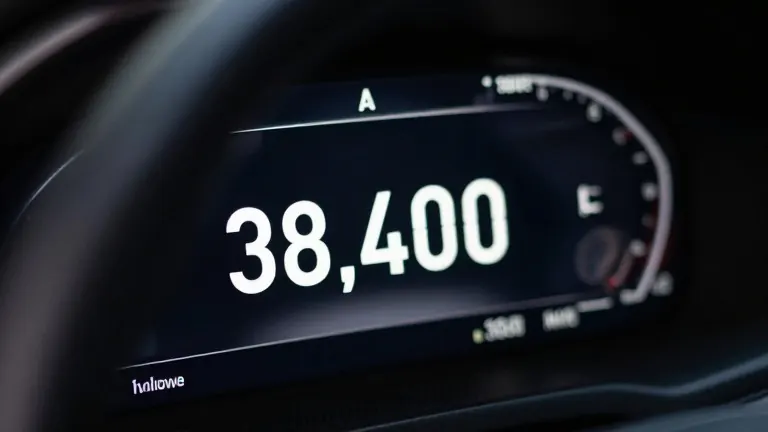
Nissan Motor Acceptance Company (NMAC) is offering a program called SignatureFLEX that allows eligible lease customers to purchase additional miles during the term of their agreement. The program sets the price at $0.10 per additional mile for qualifying customers. This option provides a specific alternative to the standard excess mileage charges that are often assessed when a vehicle is returned with more miles on the odometer than the contract allows.
Lease agreements typically include a fixed mileage allowance, such as 10,000, 12,000, or 15,000 miles per year. This limit affects the monthly payment and the vehicle's projected value at the end of the lease. If a driver exceeds this cap, the leasing company charges a fee based on the number of extra miles driven. The rate for these end-of-lease charges is defined in the individual contract and can vary significantly from the $0.10 rate offered through SignatureFLEX.
The availability of the mid-term purchase option depends on specific program terms and timing requirements. Customers can buy miles through the NMAC finance portal or mobile app. Unused purchased miles are generally not refundable. Because eligibility varies by contract, drivers are advised to review their specific lease agreement before relying on this option to manage their mileage.
Leasing companies calculate monthly payments based on the expected depreciation of the vehicle. A lease with a lower mileage allowance usually costs less per month than a comparable lease with a higher allowance. However, this savings can be offset if the driver consistently exceeds the limit. For example, a three-year lease with a 12,000-mile annual allowance provides a total of 36,000 miles. If a driver returns the vehicle with 39,000 miles, they have exceeded the allowance by 3,000 miles.
The cost of exceeding the limit is calculated by multiplying the excess miles by the per-mile rate stated in the contract. If a contract specifies a charge of $0.20 per excess mile, driving 4,000 miles over a 36,000-mile allowance results in an $800 charge. This fee is separate from other potential end-of-lease costs, such as disposition fees or charges for damage beyond normal wear and tear.
Drivers who anticipate driving more than their allocated miles can use the SignatureFLEX program to purchase extra distance in advance. Comparing the cost of purchasing miles at $0.10 each against the potential end-of-lease excess mileage charge can help determine if the mid-term purchase is financially beneficial. The decision depends on the specific rates in the original lease contract and the total number of additional miles required.
At the end of the lease term, customers also have the option to purchase the vehicle at its predetermined price. Buying the car can eliminate excess mileage charges associated with returning the vehicle, though taxes and registration fees may still apply. This option requires comparing the purchase price with the vehicle's current market value and considering its maintenance history.
Estimating annual driving needs is essential before selecting a lease mileage tier. Drivers can calculate this by adding daily commute distances, errands, and recreational travel. A driver who travels 30 miles per day for 250 days covers 7,500 miles. Adding 3,500 miles for other activities results in an annual total of 11,000 miles. In this scenario, a 10,000-mile allowance would be restrictive, while a 12,000-mile option would provide a buffer.
Monitoring the odometer regularly allows drivers to track their pace against the remaining lease term. If mileage is rising faster than expected, contacting the leasing provider early can clarify whether additional miles can be purchased or if the arrangement can be adjusted. These steps help manage costs and avoid unexpected fees during the vehicle return process.
Source: Yonkers Times
More Business · Unethical Practices · Report a business · Got a Story?