Tampa Restaurant Uses Natural Drainage to Outlast Floods
Two years after Hurricane Helene, the Columbia Restaurant group’s Ulele demonstrates a flood-resilient design model for coastal Florida.
By Zara Ahmed ·
A Tampa restaurant on the Hillsborough River has adopted a design strategy that allows it to survive tidal surges by letting water pass through the building.
The approach mirrors the recovery of the Columbia Restaurant in St. Armands Circle, Sarasota. Two years ago, on the day before a tidal wave struck, Hurricane Helene’s eye sat 80 miles offshore. The storm pushed an estimated 12.5-foot tidal wave into the center of the Circle. The Columbia Restaurant, the anchor of the commercial district, flooded at its lowest point. Fears of a permanent closure were dispelled when the restaurant and its neighbor, Venezia, swept out the water. The staff dried the floors and reopened for business in short order.
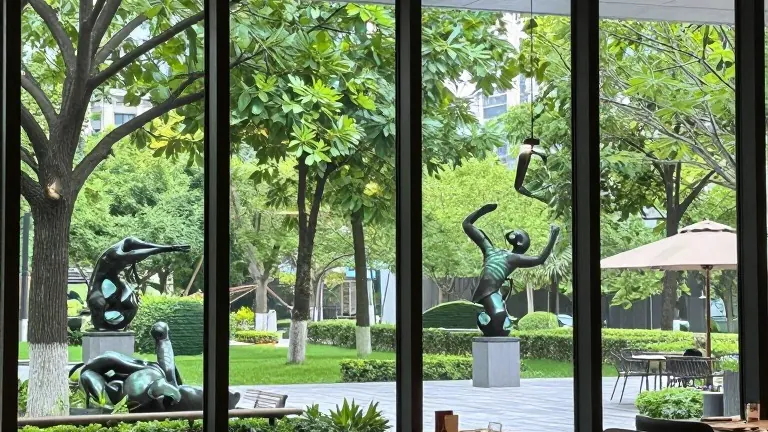
The Columbia Restaurant group, owned by the Gonzmart family, has applied these lessons to its newer location, Ulele. The restaurant sits in the historic Tampa Heights neighborhood on the Hillsborough River flood plain. The site was formerly the Water Works pumping station in a riverfront industrial zone. It now serves as a focal point for a parkland and aquatic park, adjacent to the Armature Works food court. The space features cast bronze sculptures and small contemplation areas for dining.
The restaurant’s name honors Princess Ulele, a 16th-century Native American woman of the Tocobaga tribe. Local legend states she saved a Spanish sailor condemned to death by her father, the chief. The Gonzmarts commissioned Arizona sculptor Vala Ola to create a massive bronze bust and a seven-foot-tall statue of the princess. These works dominate the path to the entrance. The menu reflects this heritage with dishes like Native Chili, which includes alligator, wild boar, venison, and duck, and a vegan Native Sauté featuring portobello mushrooms and squash.
The physical resilience of the structure relies on three specific factors. Ulele is built at a higher elevation than the immediate coastline. It sits a distance from the coastlines where tidal surge peaks. Most importantly, it rests on the natural Ulele Spring. This spring has an established drainage path that clears tidal surges and heavy rainfall quickly. When flooding occurs, the open layout of the restaurant allows storm waters to sweep outside, making it easier to dry the floors.
The interior decor continues the thematic elements with Native American and nautical influences. A bronze sculpture titled “The Laughing Horse” by Peruvian artist Victor Delfin towers over the ground floor dining room. A large painting by Dutch artist Erick Renssen, titled “In the Garden,” displays a Cubist style that complements the rich wood panels and bronze statuary. The setting includes an oversized barbacoa grill that prepares oysters, fish, steaks, and a special meatloaf.
University of South Florida researchers have studied the damage caused by Hurricanes Helene and Milton in 2024. Their findings recommend enhancing passive barriers such as beaches, sand dunes, and drainage paths as alternatives to sea walls and levees. The operational history of the Columbia Restaurant, which opened in 1905, aligns with these modern recommendations for coastal resilience.
Source: Longboat Key News
More Business · Unethical Practices · Report a business · Got a Story?