Senate Stalemate: Clocks Reset Despite Trump's Push for Permanence
Senators block House-passed legislation to eliminate the twice-yearly time change, citing concerns over late sunrises in northern states.
By Dylan Moore ·
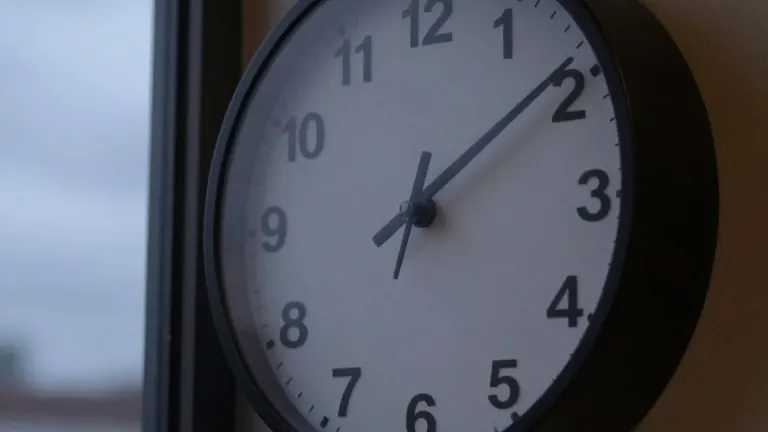
The Senate is set to ignore a bill passed by the House that would make daylight saving time permanent, a move that defies President Donald Trump and leaves the twice-yearly clock adjustment in place for another year. As the country turns its clocks back an hour early Sunday, legislative action on the matter appears stalled, leaving the status quo intact despite vocal public support for change.
The conflict centers on geographic impact. While supporters argue permanent daylight saving time maximizes afternoon light when most Americans are active, opponents point out that northern states would face sunrises later than 9 a.m. Sen. Tom Cotton, R-Ark., a member of GOP leadership, has been the most visible critic. He noted that Congress has previously enacted permanent daylight saving time only to repeal it after residents complained about dark mornings.
President Trump has aggressively lobbied for the bill, posting his personal phone number on social media earlier this month and urging senators to act. He argued that afternoon sunshine improves safety and allows more time for golf, stating that criminals do not like working in the light. Trump renewed his push this week on Truth Social, claiming the Senate is letting the bill die despite majority public support.
The pressure has not shifted key votes. Sen. Mike Rounds, R-S.D., warned that the change would send children to school in the dark. Sen. Todd Young, R-Ind., described the House bill as a non-starter for Senate Republican leaders. Sen. Bernie Moreno, R-Ohio, was more direct when asked about the bill's prospects, saying, "No way."
The legislative path was complicated by the 1973 energy crisis, during which Congress passed a law for permanent daylight saving time that was repealed by October of that year after public backlash over late sunrises. That historical precedent weighs on current discussions, even as modern digital clocks have made the physical act of changing time less common.
Public opinion remains largely against the current system. An AP-NORC poll last year found only 12% of American adults favored keeping the status quo, while nearly half opposed it. Groups including the American Medical Association and the American Academy of Sleep Medicine back a single time standard. Sen. Rick Scott, R-Fla., has led Senate efforts to pass the change, arguing the current practice is an unnecessary annoyance to families.
With the Senate returning to Washington after the Nov. 3 midterm election, few Republicans predict the bill will come to a vote soon. Majority Leader John Thune, R-S.D., has not commented publicly on the specific House bill but has voted against similar versions in the past. Democrats like Sen. Ed Markey, R-Mass., have supported the change, citing the negative impact of the time switch on health and the economy.
Source: KOB